The Hidden Damage
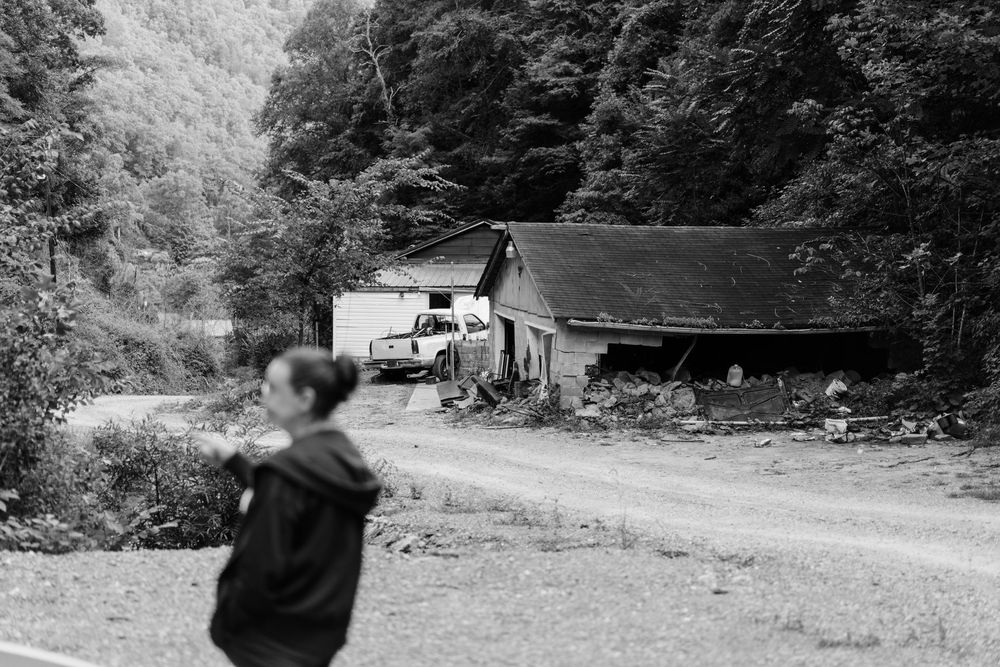
Seven months. It feels impossible that it has almost been that long since the flood tore through McDowell County, and yet here we are. If you drive through now, at first glance it might look like the worst is behind us. Summer’s heavy vegetation has done a good job hiding what the water left behind. But soon autumn will pull back that blanket and the damage will stand out again.
There is still a need.
The State of McDowell Today
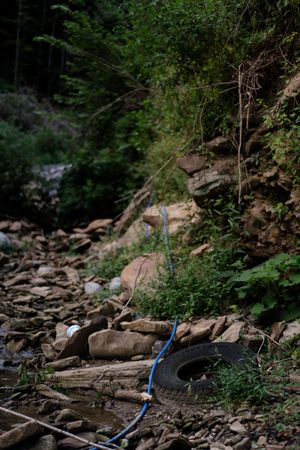
Residents are trying to repair what the flood washed away, but resources have slowed to a trickle. Only a few groups have been able to maintain a presence in the county, most of them around Welch. Bridges have yet to be repaired, leaving kids in places like Gary walking long stretches along railroad tracks just to catch the school bus. County waterlines that were replaced after the flood are still running across creek banks above ground, bright blue piping that should never be exposed. The cold nights have already dipped below forty in some hollers. It is only a matter of time before those lines freeze and burst.
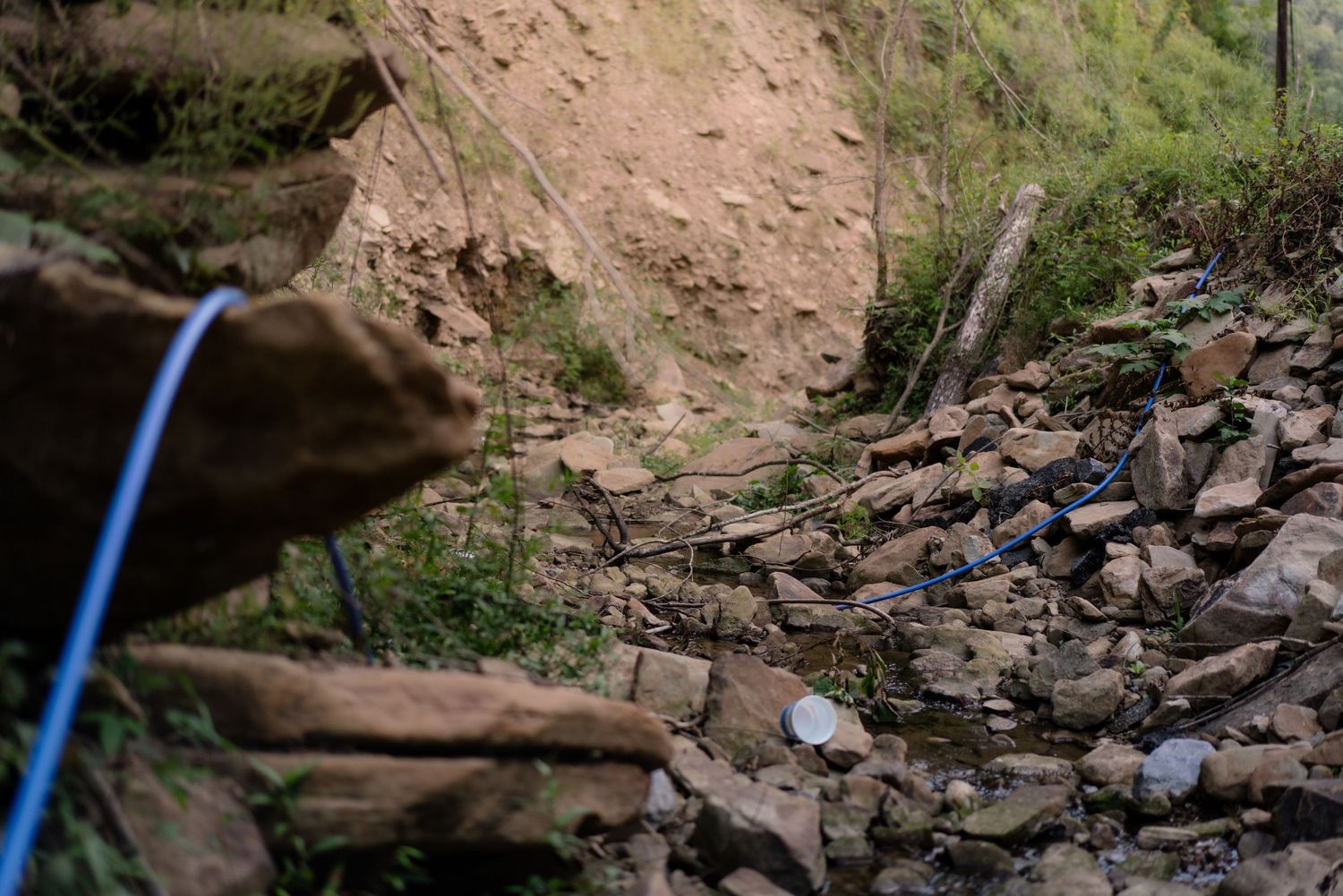
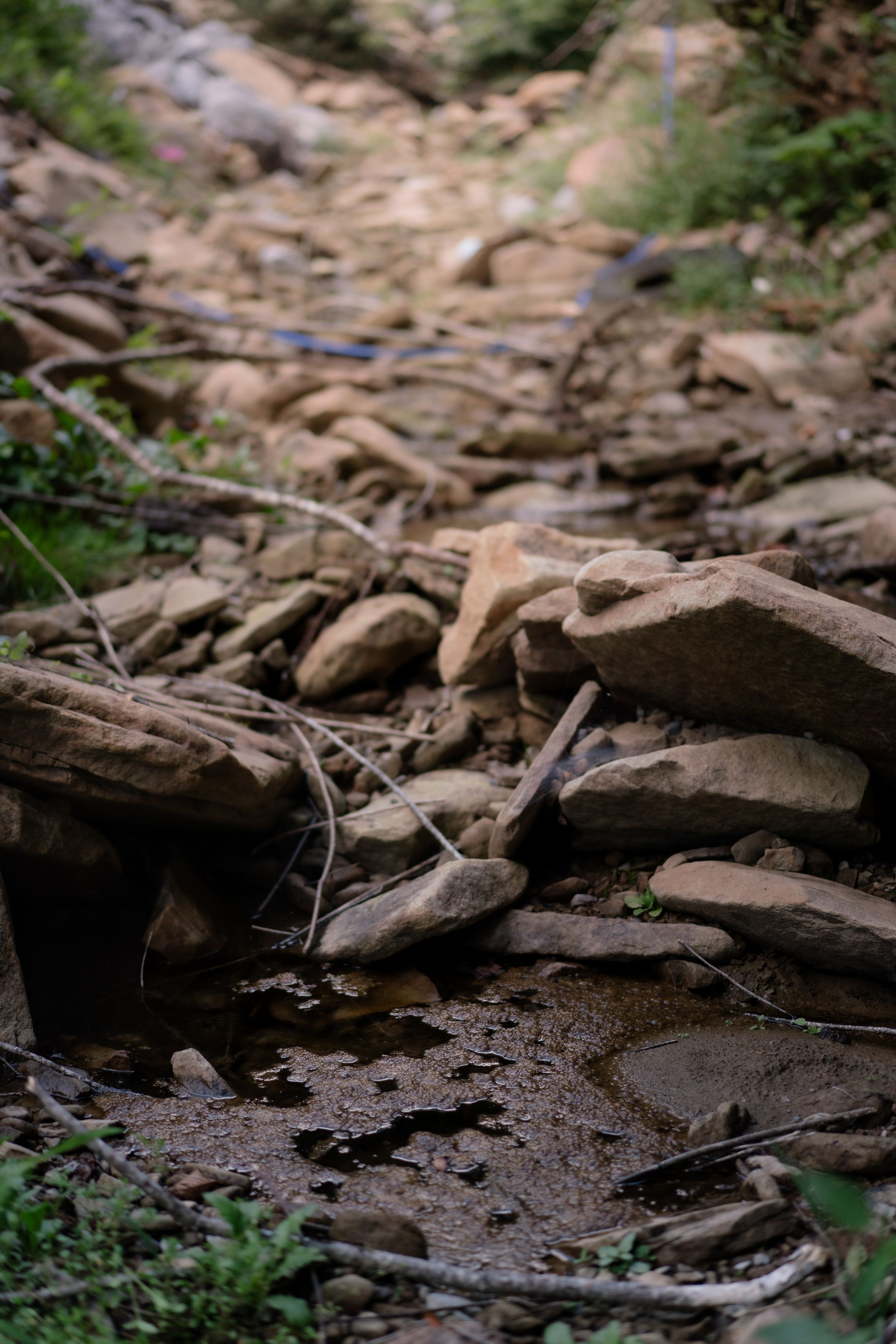
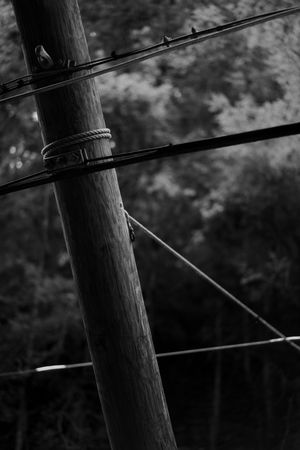
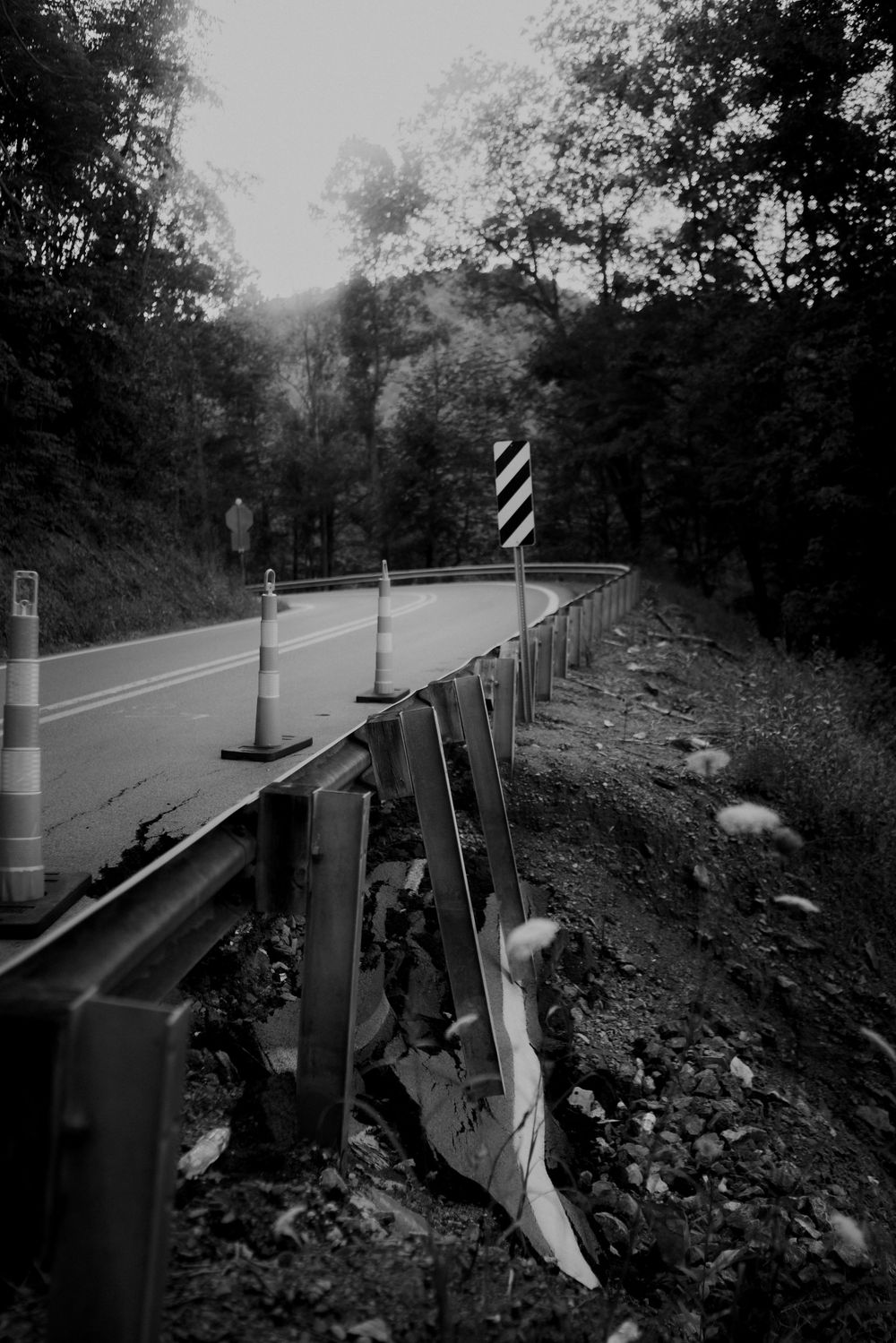
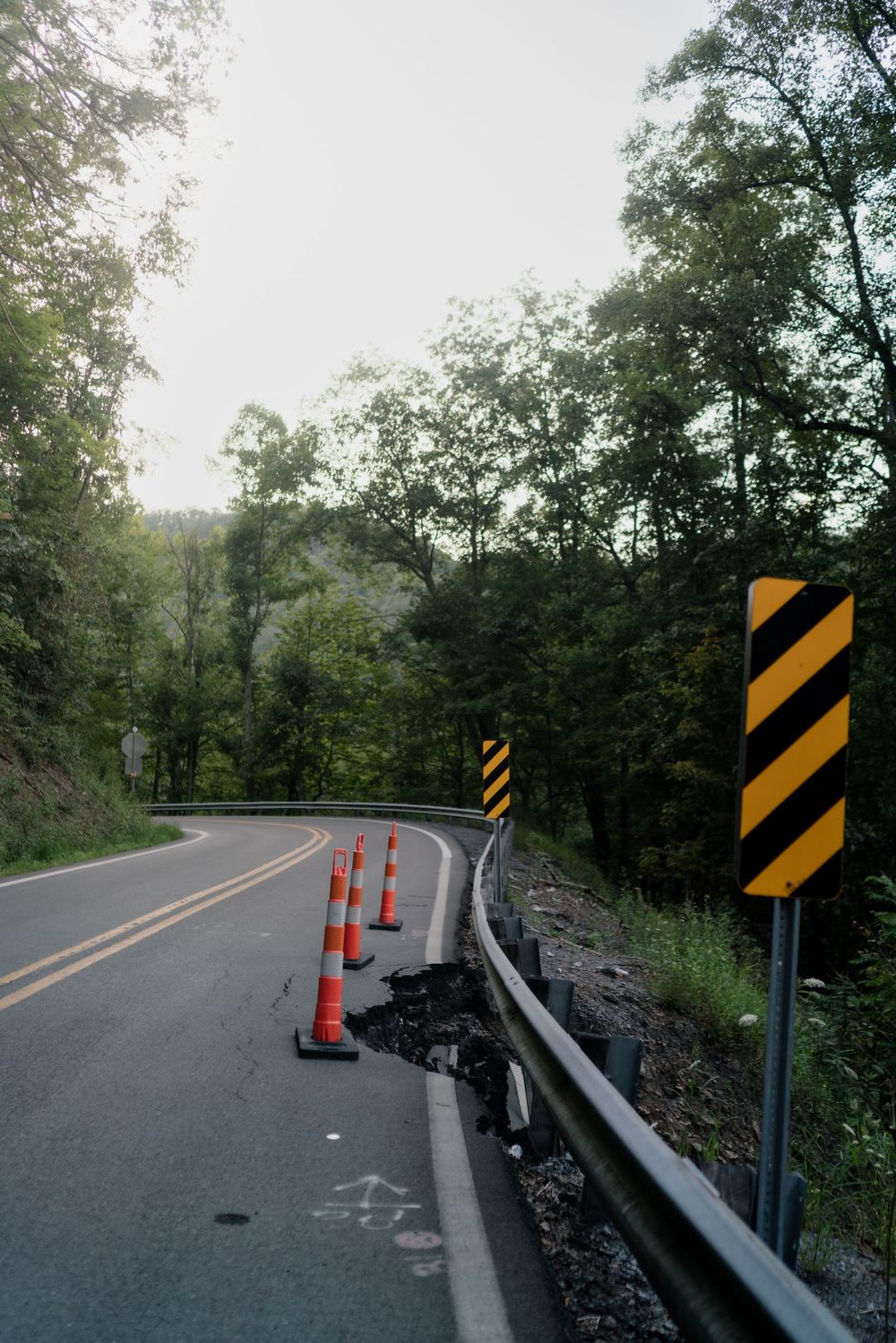
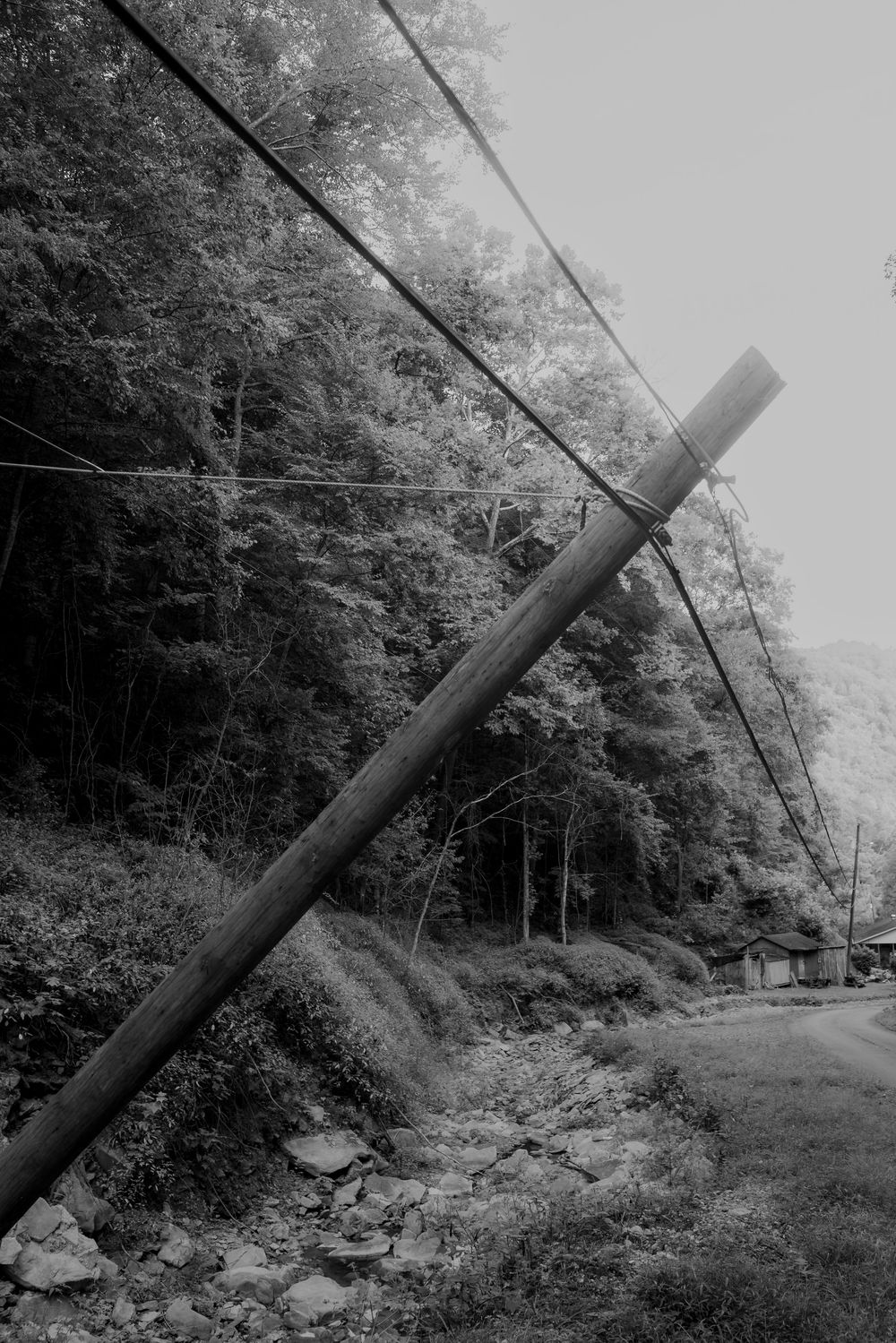
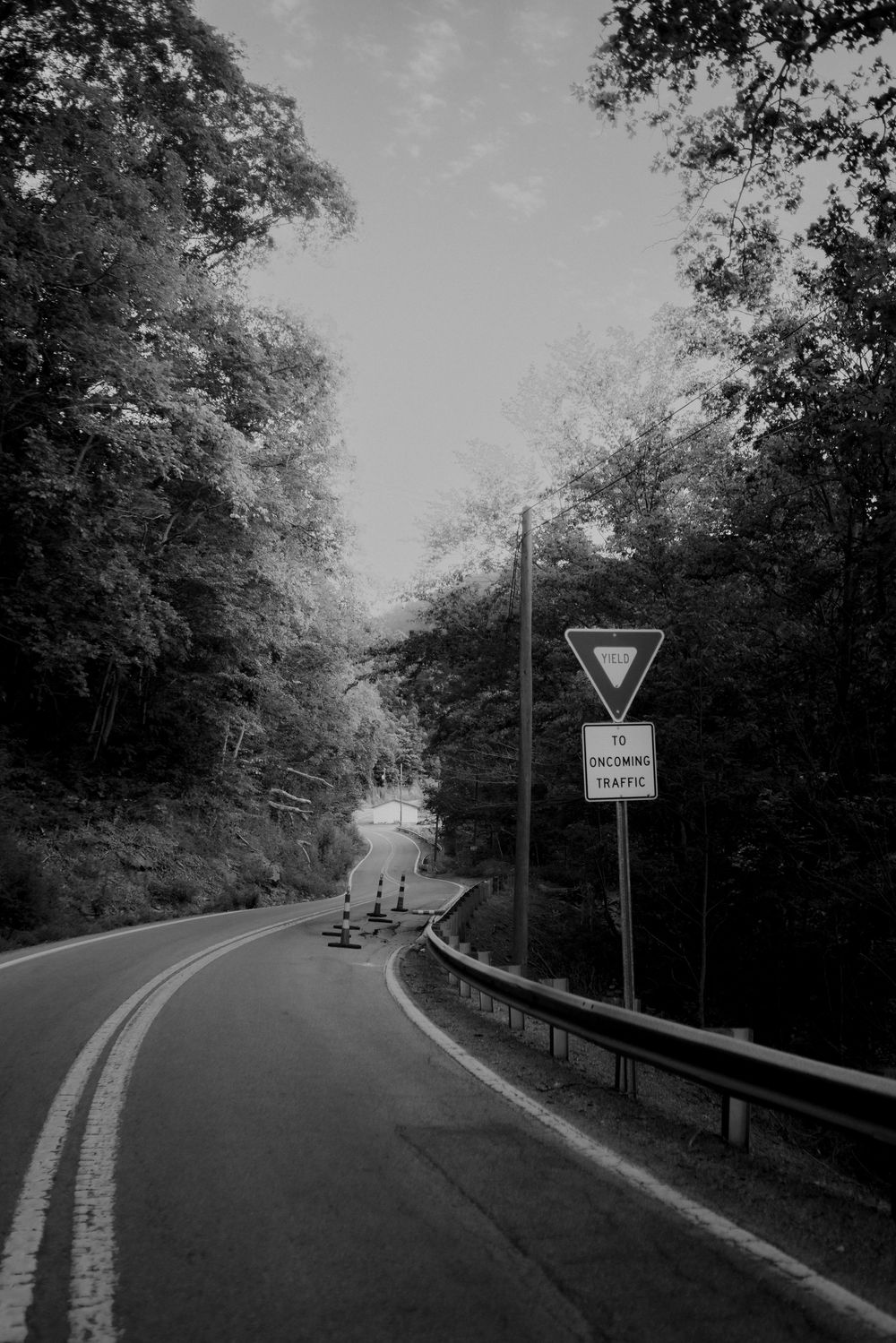
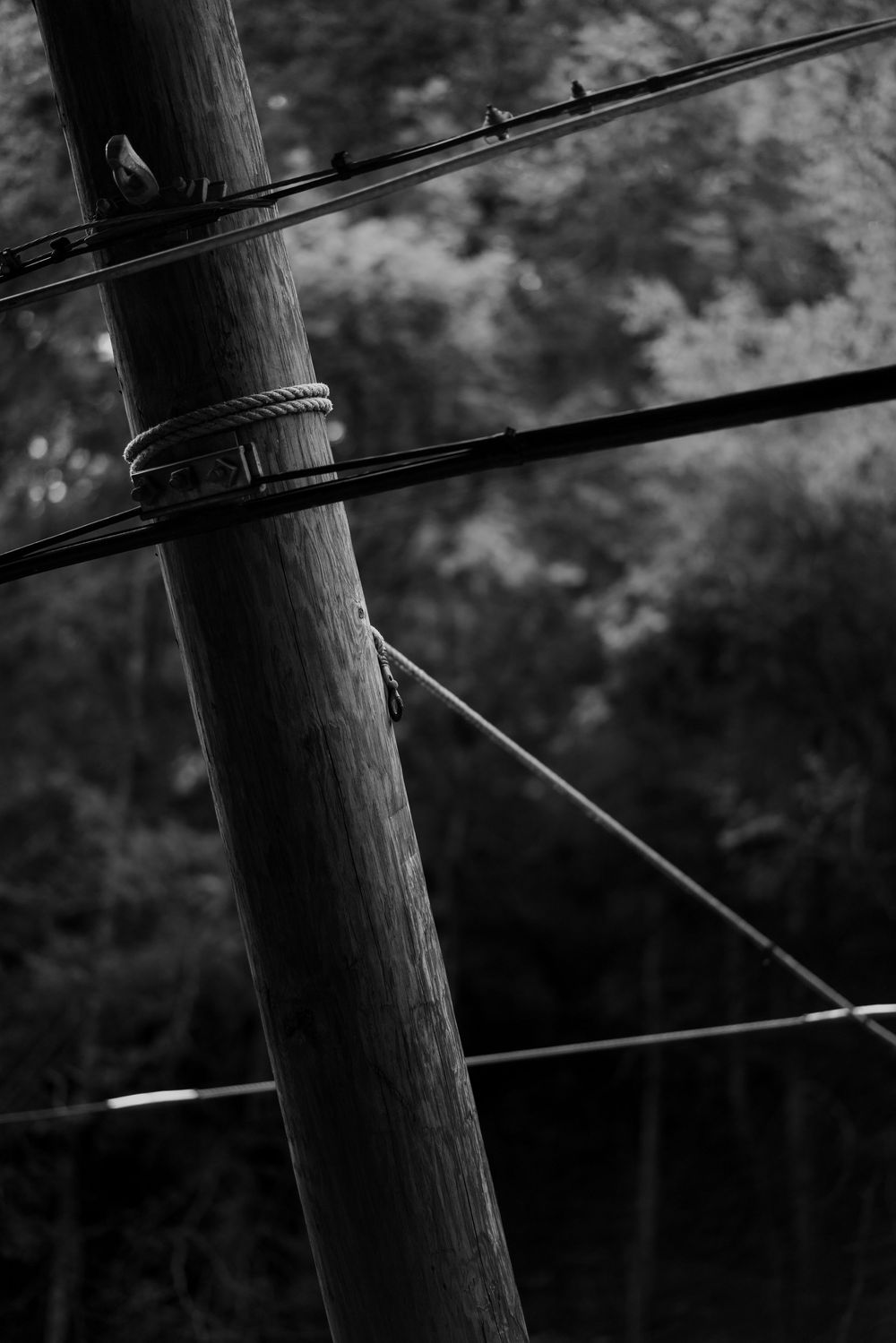
It’s not just the water lines that were impacted. County and residential septic lines were washed out too, many of them still unrepaired, dumping raw sewage straight into streams and rivers. Roads are crumbling. On both sides of War the road is slipping off the mountain. Stop signs now stand permanently installed to tell drivers to yield to oncoming traffic, a quiet warning that another slip or outage could happen any time. Falling power poles are being held upright only by ropes tied to trees. Rats are coming up from the septic-filled streams, finding their way into homes and yards. I get nervous driving these roads. What happens if the cracking asphalt gives way while someone is crossing?
Meanwhile, the state’s response raises questions. Last month the governor deployed the National Guard to Washington D.C., but after the flood, McDowell County received only two weeks of volunteers. Two soldiers I spoke with confirmed they were serving as volunteers and not on deployment status. Deploying the Guard to D.C. costs money, funded by federal dollars. If funds were available for that mission, where were they in February when families were stranded, bridges were out, and homes were underwater?
Stories from the Ground
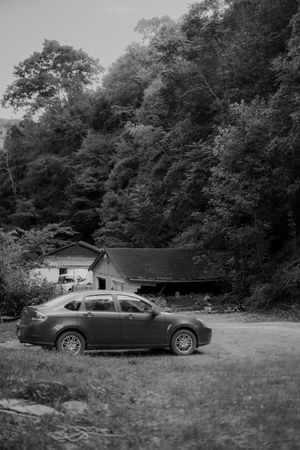
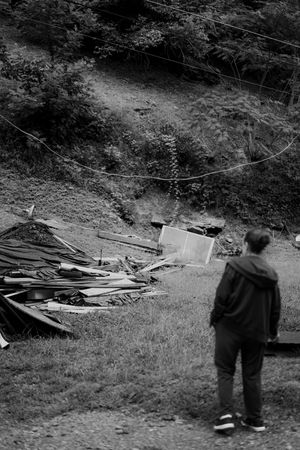
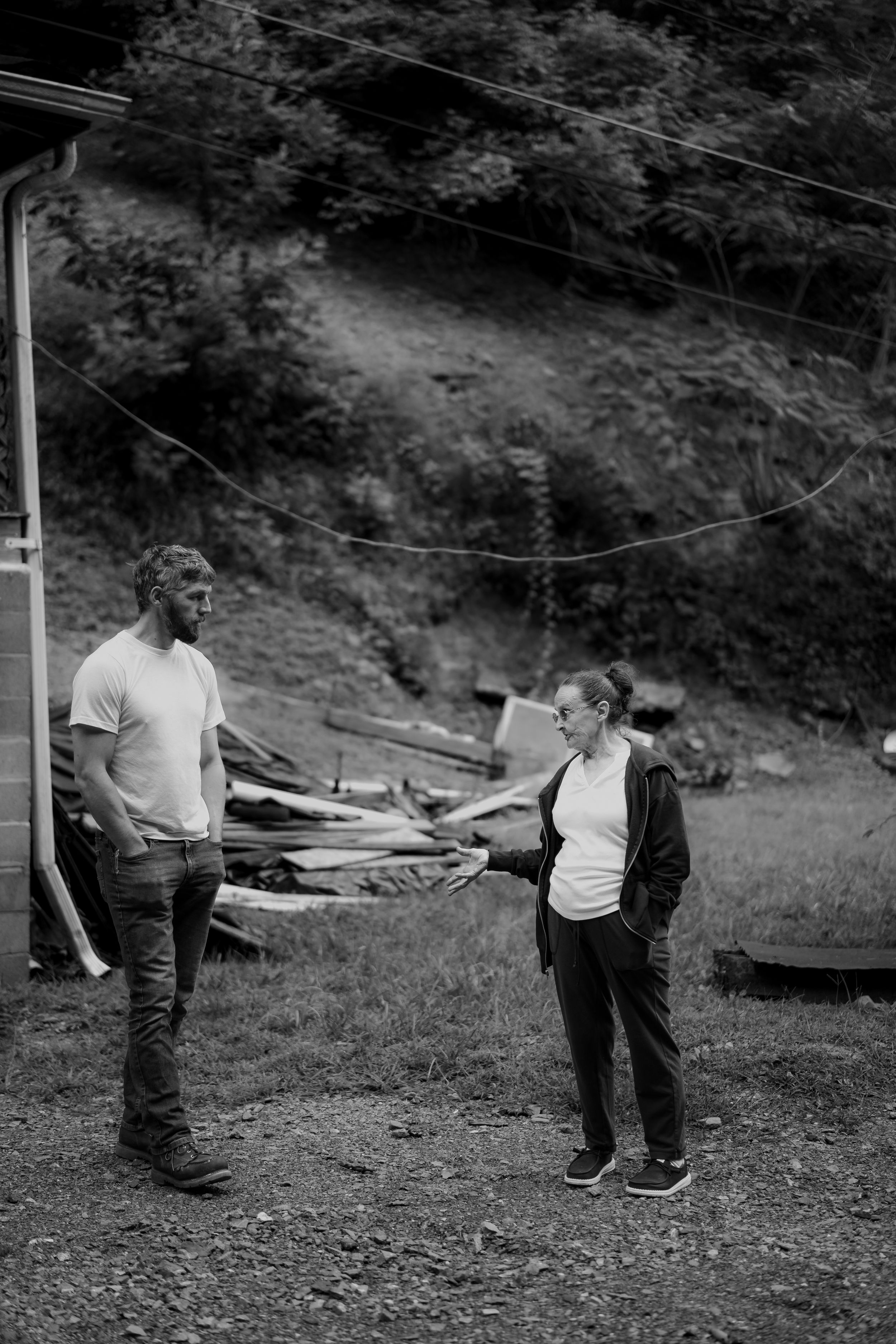
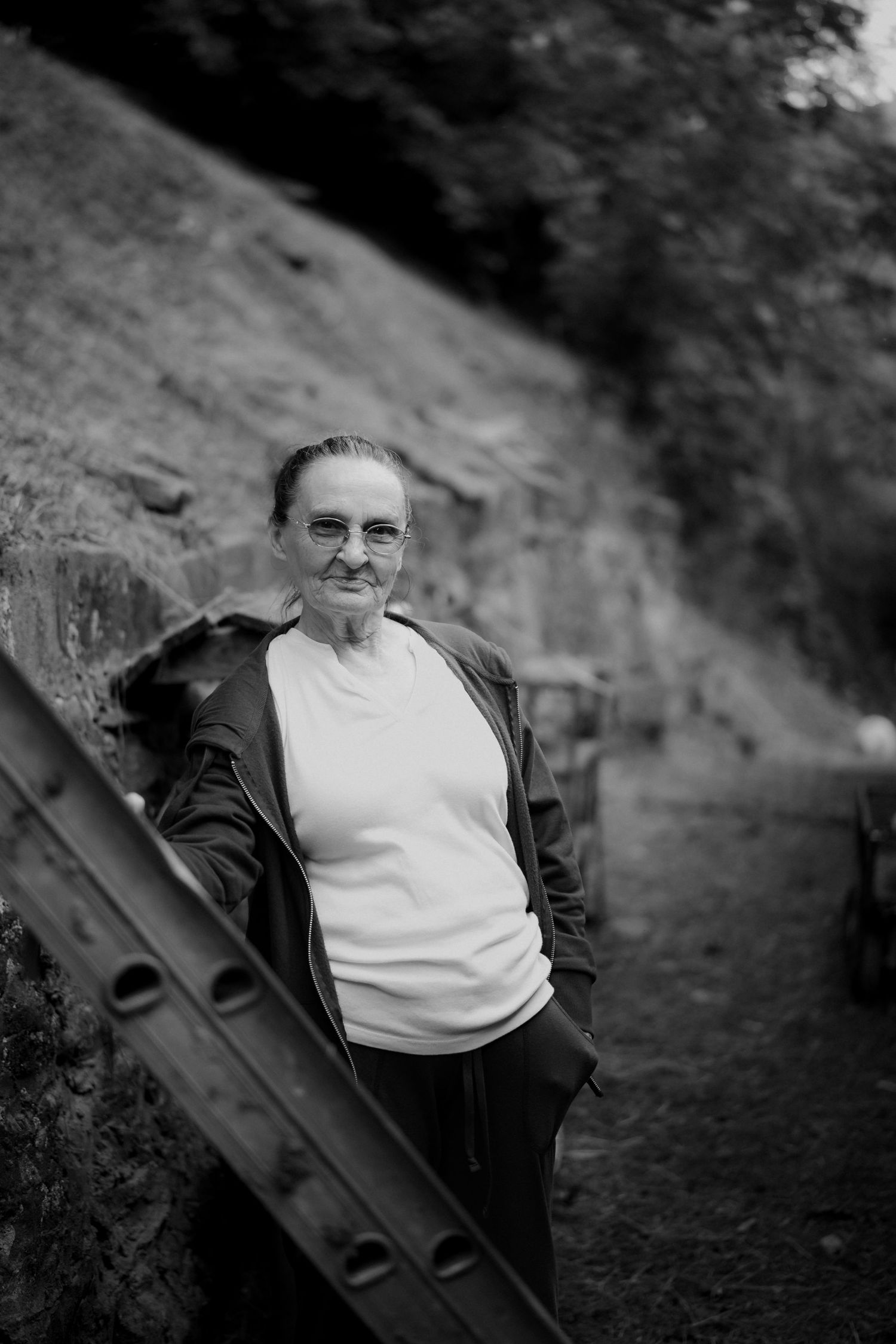
And even at home, the work is far from done. People are still trying to repair their houses. Flooded floorboards and wall paneling sit piled outside, not because they want it that way, but because the county’s debris pickup, scheduled in the first few months after the flood, came with an extremely tough deadline. For the elderly and anyone still working full time, it was nearly impossible to remove everything in the few extra hours they had. If debris was not placed by the road in time, the only option now is to hire someone to haul it to the landfill and pay the dumping fee out of pocket, another blow to families already stretched beyond their limit.
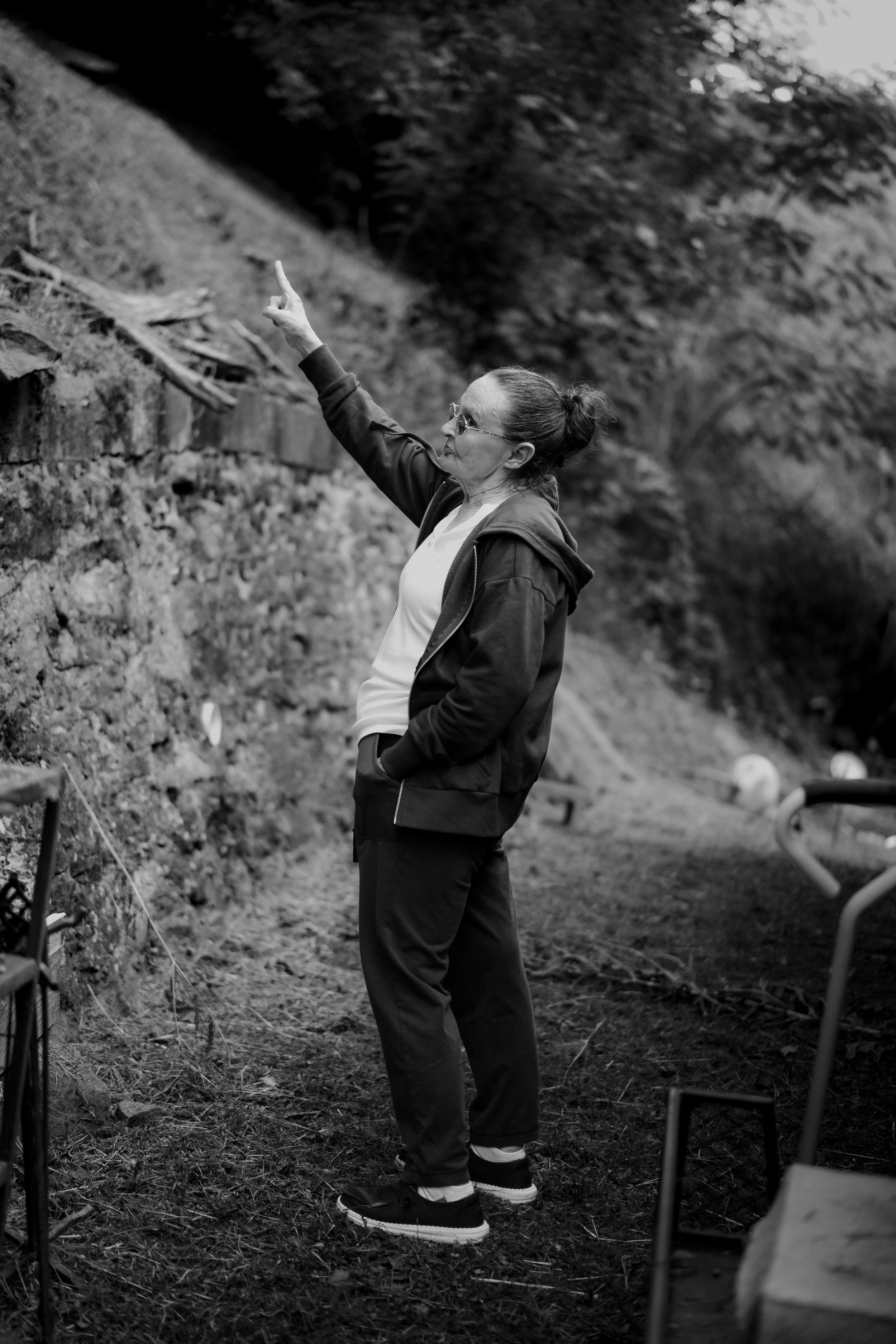
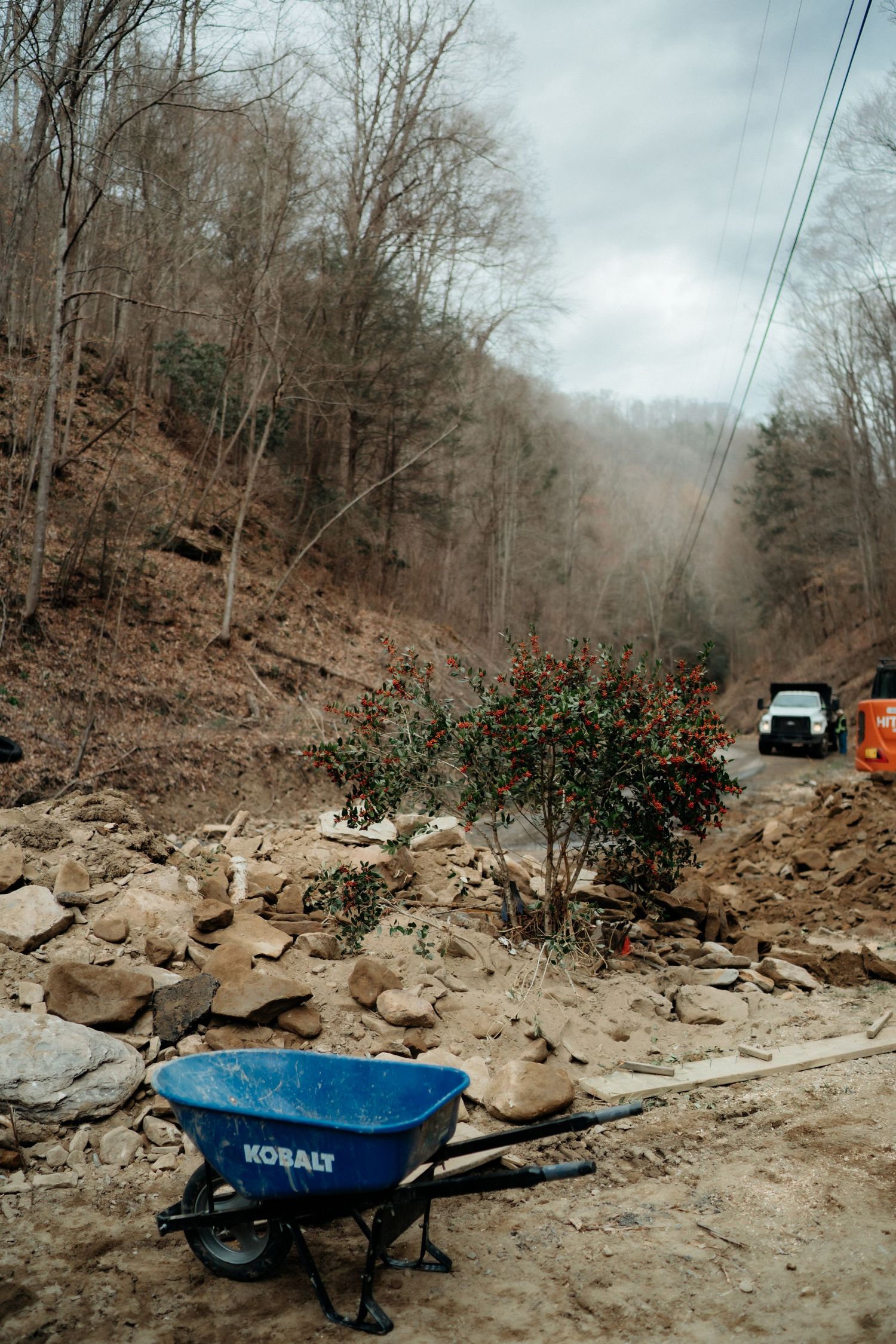
Last month I delivered a coal stove to an elderly couple who have endured more loss than anyone should face in a single year. Their story reached a lot of people after I shared what it took to rescue them and the single holly bush that stood proud through the devastation (watch Carol's interview here). Now at least I know they will be warm when the cold nights settle in, and I am thankful for a community willing to step in and help. But I cannot stop thinking about how many others are still scrambling to find a way to stay warm this winter after the floods took out their heat. Heat is not a luxury here. It is a matter of survival.
The Bigger Picture — Neglect and Disparity
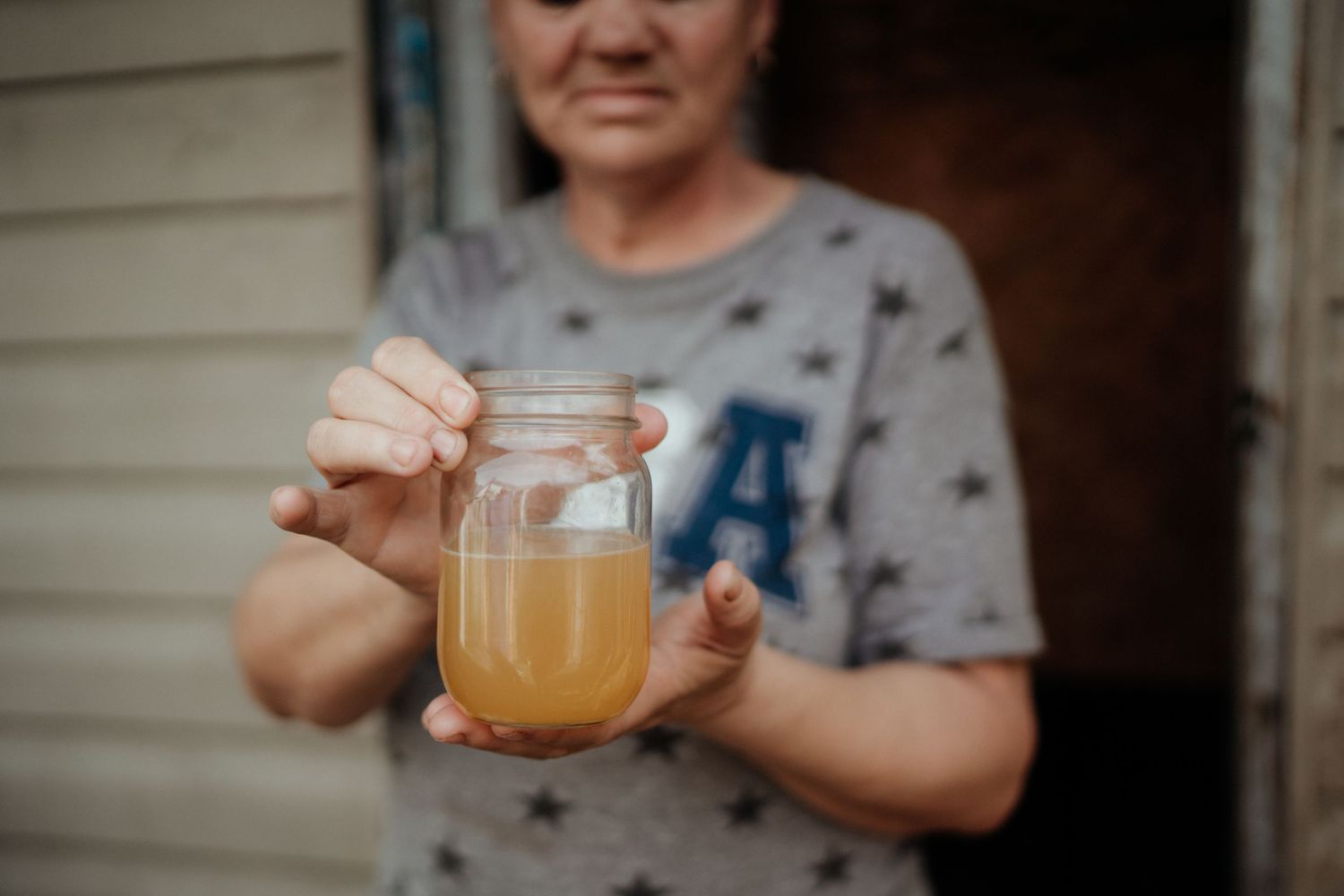
And it is not just McDowell. The entire southern coalfields have been disregarded for far too long. Unsafe drinking water continues to plague the region. A Risk Analysis Journal report this year, covered by WV News, highlighted that the top ten counties in the country for water violations include multiple counties in West Virginia. The three worst counties in the nation, Wyoming, Boone, and Mercer, are all part of the southern coalfields. In other words, the counties with some of the highest water violation rates in the United States are right here, in the same areas left waiting for roads, bridges, and homes to be repaired.
Meanwhile, West Virginia’s "Rainy Day Fund" balance for the month of August sat at $1,374,020,081.07. More than a billion dollars in reserve while families in these hollers are drinking unsafe water, navigating broken roads, and bracing for another winter without basic infrastructure. Why are these issues still present?
Let’s zoom out to take a broader view of Appalachia and look now at Helene and the aftermath. Nearly a year later, many of the smaller communities devastated by that storm hardly look improved. It is a hard reminder of how quickly the headlines fade even while people are still living with the wreckage.

A Call to Community
It is a bitter contrast. Right now Appalachian themed trends are popular. People love the aesthetic, the music, the landscape. But they do not love the people, at least not in a way that moves them to action. The beauty of our mountains is admired, while the folks who have lived and worked in them for generations are left behind unless they happen to live in an affluent pocket of the region. While videos romanticize the hollers and the way of life here, some of those very same hollers are still full of raw sewage, broken bridges, falling power poles, and rats emerging from septic-filled streams.
So we do what we have always done. We band together. We help each other. If we have not learned it by now, we should understand that our survival depends on our community showing up for one another. We are one big rainstorm away from being the next victim. If you have been fortunate enough to avoid that so far, count yourself lucky.
But also count yourself part of this place. Appalachia is strong. Our people are strong. We will overcome, not because anyone in power is rushing to save us, but because we refuse to give up on each other.
Now is the time to turn admiration into action. If you love the mountains, fight for the people who live in them. If you post about Appalachian beauty, remember the beauty is also in its communities, the families hauling water, patching roads, and building heat from nothing. Support the groups still on the ground. Call the representatives holding the money. Share these stories so they do not fade like the headlines. Our people deserve more than resilience. They deserve investment, safety, and dignity. Visit the links below to find out more ways to help, whether it's financially or physically.
Call, Email, Write, Fax
Governer Patrick Morrisey
- Phone: (304) 558-2000
- Toll Free: (888) 438-2731
- Fax: (304) 342-7025
- 1900 Kanawha Blvd., East Charleston, WV 25305
- https://governor.wv.gov
State Senators
Craig Hart
- (304) 357-7843
- Room 209 W, Building 1 |State Capitol Complex | Charleston, WV 25305
- craig.hart@wvsenate.gov
Mark Maynard
- Capitol Phone: (304) 357-7808
- District Phone: (304) 360-6272
- Room 441M, Building 1 | State Capitol Complex | Charleston, WV 25305
- mark.maynard@wvsenate.gov
State Delegates
David Green
- Capitol Phone: (304) 340-3165
- District Phone: (304) 938-7065
- Room 226E, Building 1 |State Capitol Complex | Charleston, WV 25305
- david.green@wvhouse.gov
Senate
Shelley Moore Capito
- Washington office: 202-224-6472
- Charleston office: 304-347-5372
- 170 Russell Senate Office Building Washington, DC 20510
- https://www.capito.senate.gov/contact/contact-landing
James "Jim" Justice
- Washington office: (202) 224-3954
- Charleston office: 304-342-5855
- G12 Dirksen Senate Office Building Washington, DC 20510
- https://www.justice.senate.gov/contact/
House of Represetatives
Carol Miller
Washington office:
- 465 Cannon HOB | Washington, DC 20515
- (202) 225-3452
Charleston office:
- 3 Tennessee Avenue | Charleston, WV 25302
- Phone: (681) 945-6556
- Fax: (771) 200-5704
Huntington office:
- 2699 Park Avenue | Suite 220 | Huntington, WV 25704
- Phone: (304) 522-2201
- Fax: (771) 200-5704
Beckley office:
- 3049 Robert C. Byrd Drive | Suite 330 | Beckley, WV 25801
- Phone: (304) 250-6177
- Fax: (771) 200-5704
McDowell County Commission
Cecil Patterson: 304-436-8585
Michael Brooks: 304-436-8568
DeWayne Dotson: 304-436-8579
109 Wyoming Street | Welch, WV 24801
Office: 304-436-8548
Fax: 304-436-8572
https://mcdowellcountycommission.com/contact-us/
