Today marks five months...
since floodwaters tore through McDowell County, West Virginia. February 15 is a date that many of us will never forget. For the families who lived it, that day split life into before and after.
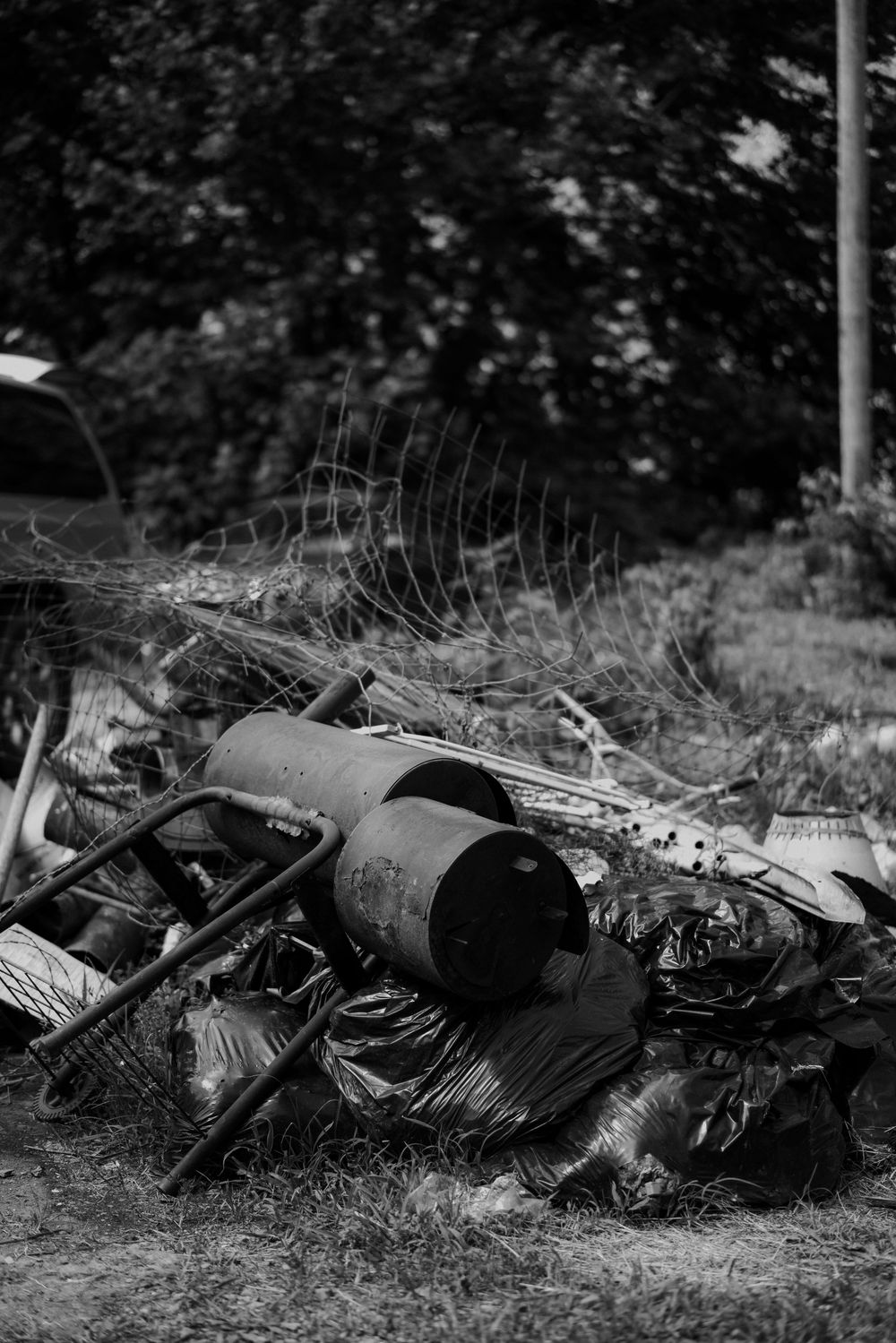
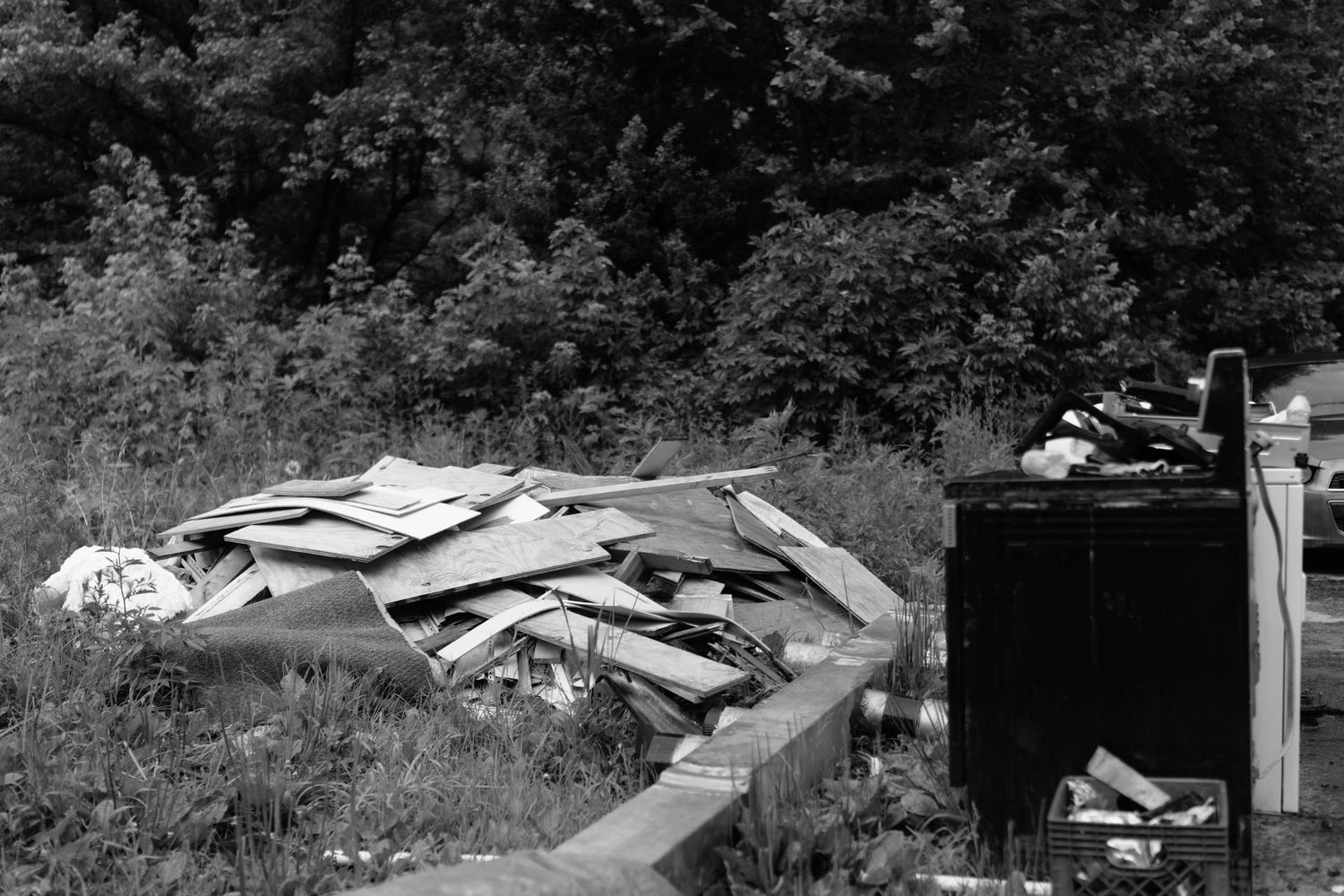
Entire communities along the Tug and Dryfork rivers were devastated. Homes were ruined. Roads were damaged and continue to crumble. Generations of memories were swept away in the current. And yet, even in the face of all that loss, very few people outside the region ever heard about it.
In the weeks that followed, a few small articles appeared in statewide news sources, and some local freelance writers did their best to share what was happening. Their efforts mattered, especially for a community that is so often overlooked. But beyond that, there was very little coverage. While neighbors banded together and churches opened their doors, much of the country remained unaware of what McDowell was facing. So when CBS Evening News recently aired a feature on the county, it became a rare moment of national visibility for a place that is often left out of the larger conversation. Their coverage brought light to a situation that has quietly continued to unfold, even long after the waters receded.
It’s difficult to ask for help when so many others are suffering. Over the last few months, new disasters have gripped the nation. Northern West Virginia has seen its own severe flooding, and in Texas, families are still searching for loved ones. Lives have been lost. Entire towns are in mourning. My heart is fully with those communities.
There is no way to rank pain. And I would never attempt to compare these events. But even as we acknowledge the suffering of others, we must also remember the communities still deep in recovery. McDowell County is one of them.
What sets McDowell apart and what has always set it apart is its resilience. This is a place that knows hardship but refuses to be defined by it. I have witnessed neighbors taking care of one another when no one else showed up. I have seen people give what little they had to those with even less. I have seen strength in the mud, grace in the loss, and a kind of community spirit you don’t find just anywhere.
But resilience does not mean there is no need. People here are strong, but that strength should not be mistaken for having everything they need to recover.
Many of the volunteer teams who helped in the early months have had to shift their efforts closer to home. Students from West Virginia University, who were among the most consistent to offer hands-on help here, have redirected their time to the northern counties, where many of them have family members directly impacted. This is completely understandable and necessary. Still, it has left a noticeable gap in support in McDowell, where recovery is far from over.
Some bridges remain out, cutting off access to entire areas. In Gary, residents are still walking long distances down railroad tracks just to reach the main road. For some, there is no way to get to their homes other than on foot. Roadways continue to crumble, making even basic travel dangerous or impossible. These conditions make it clear—this is not a past-tense disaster. It is an ongoing crisis that deserves continued attention and help.
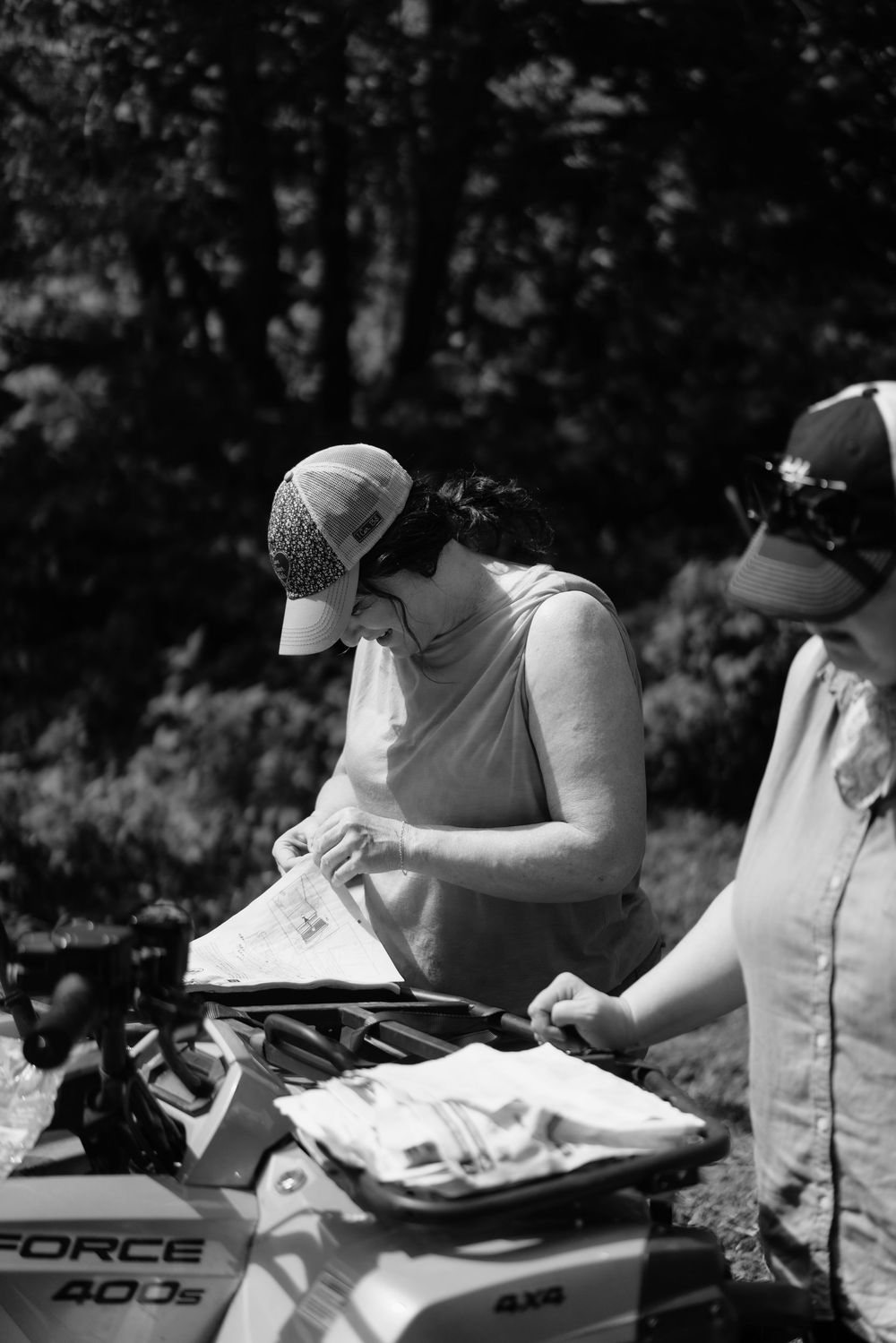
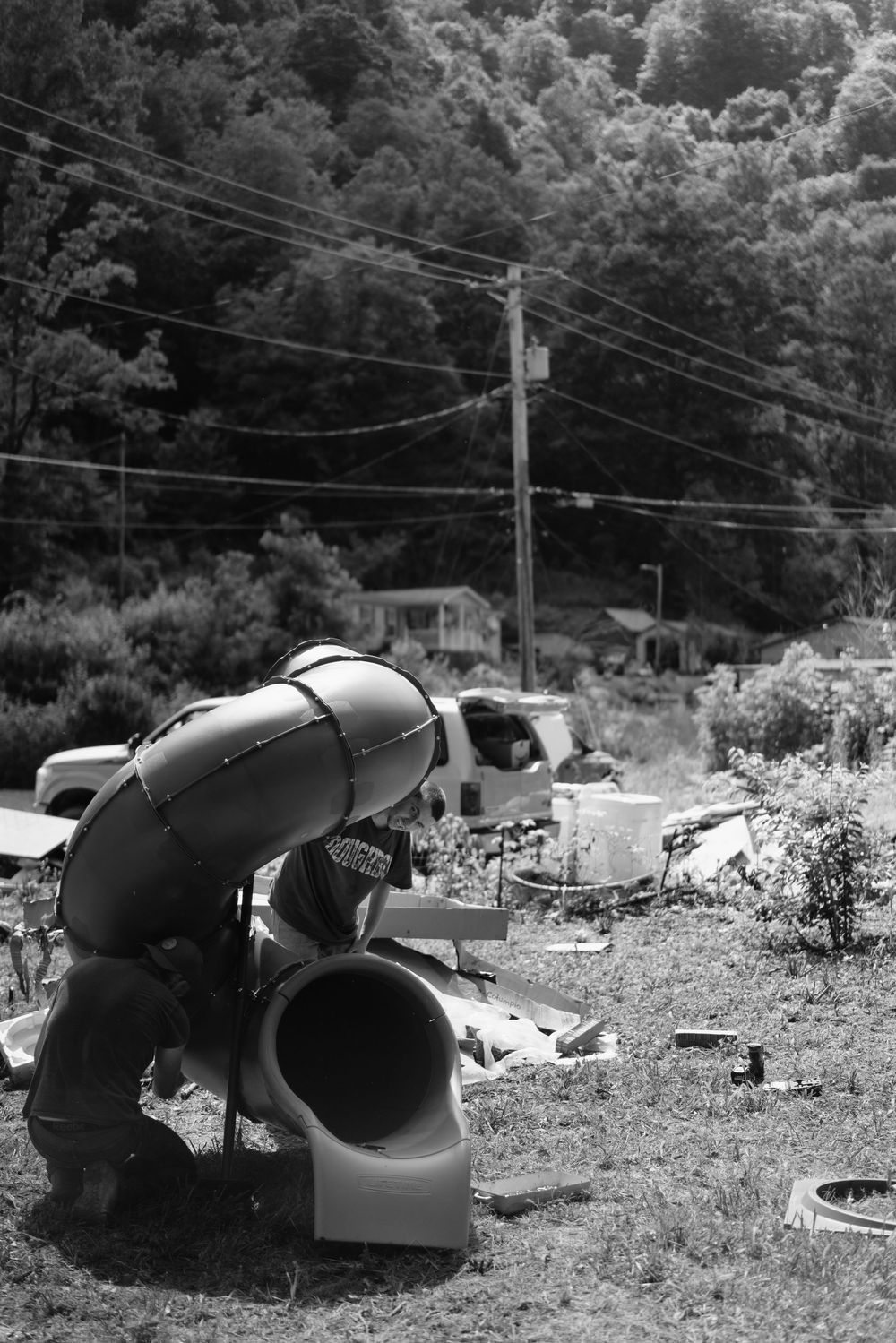
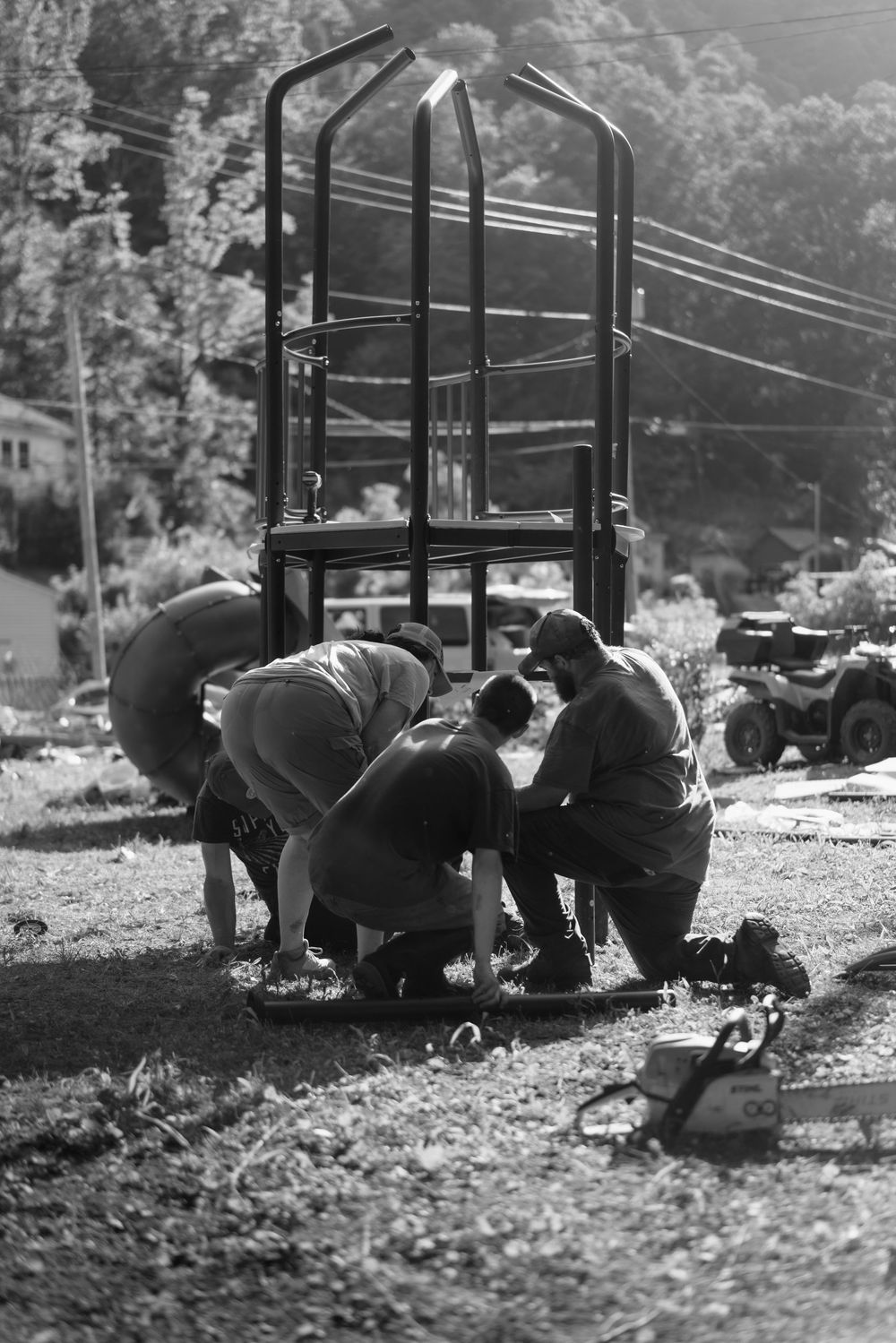
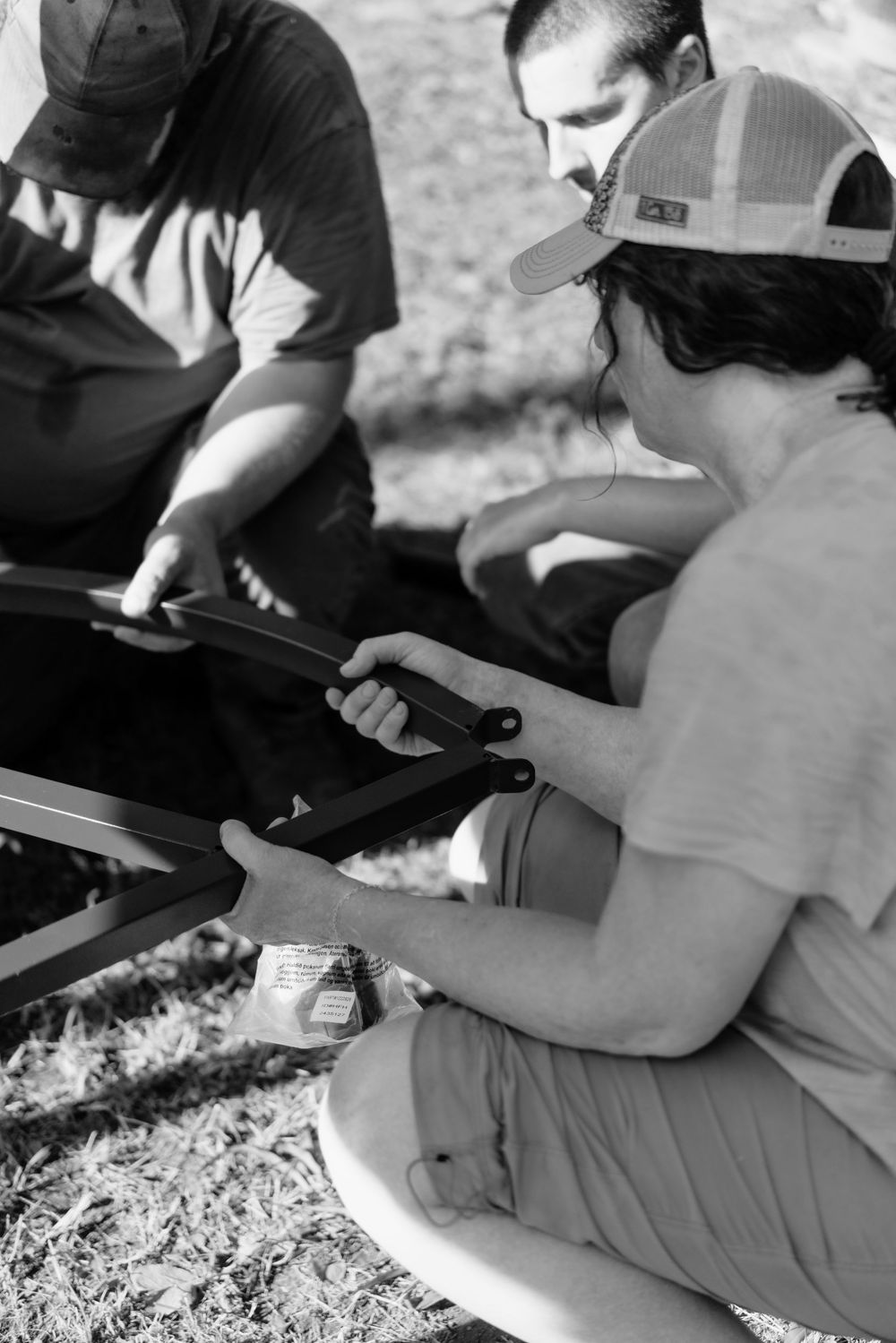
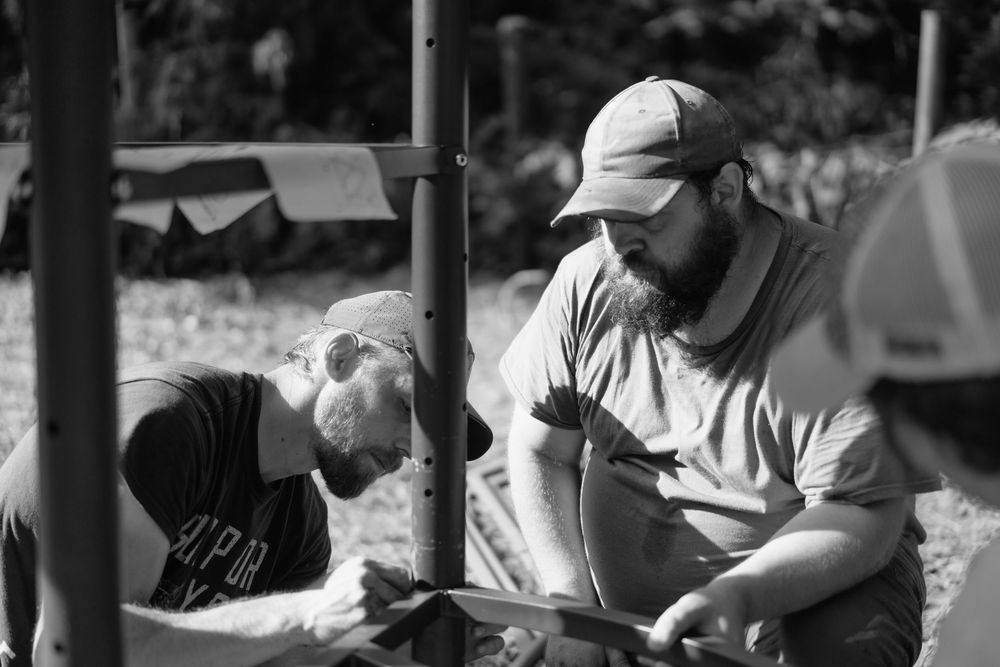
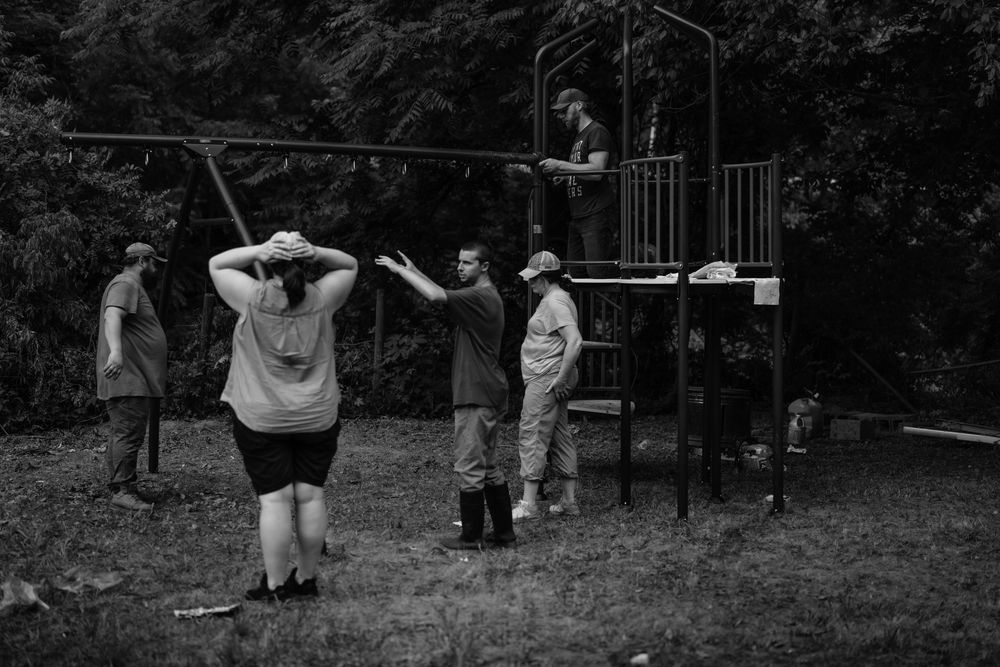
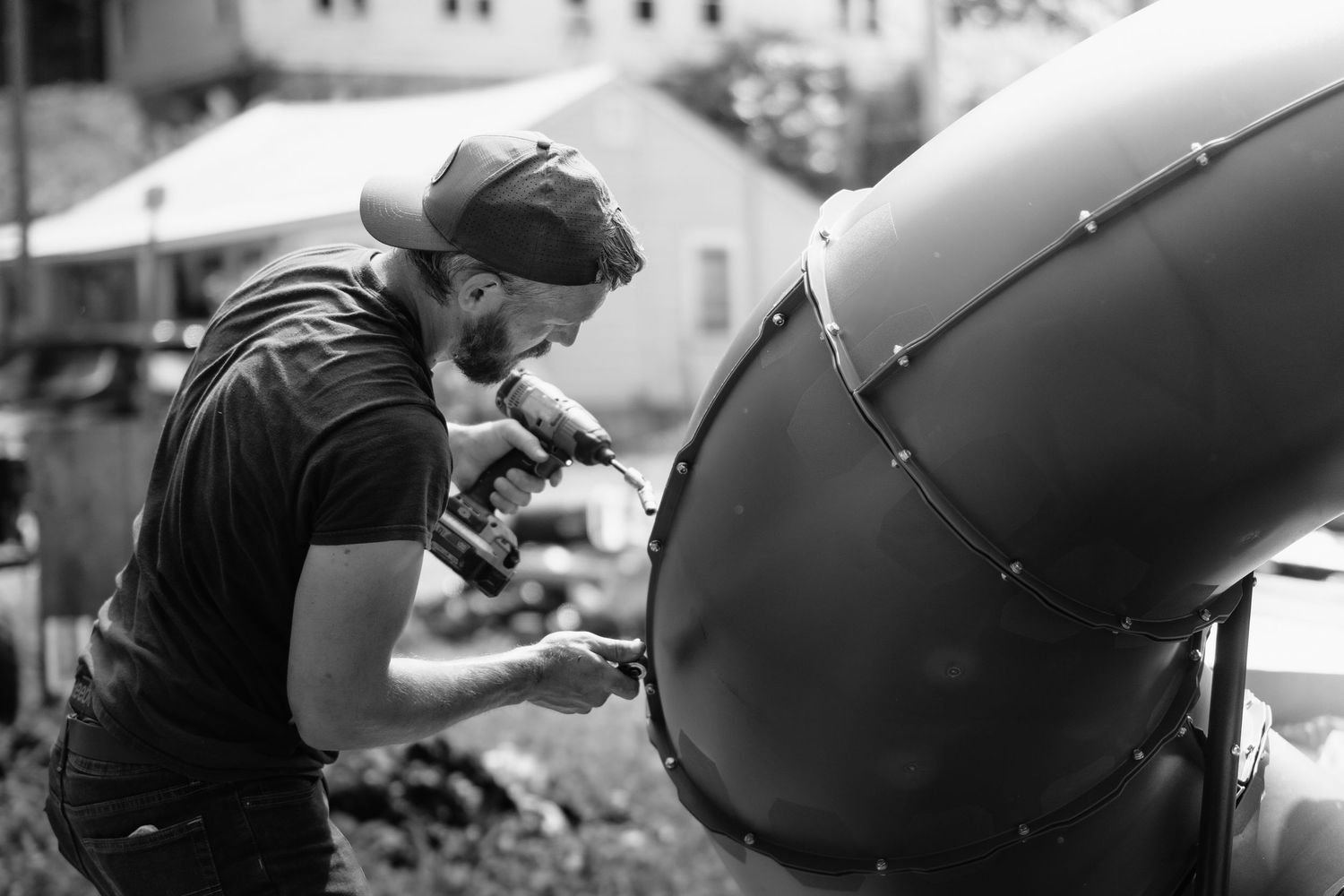
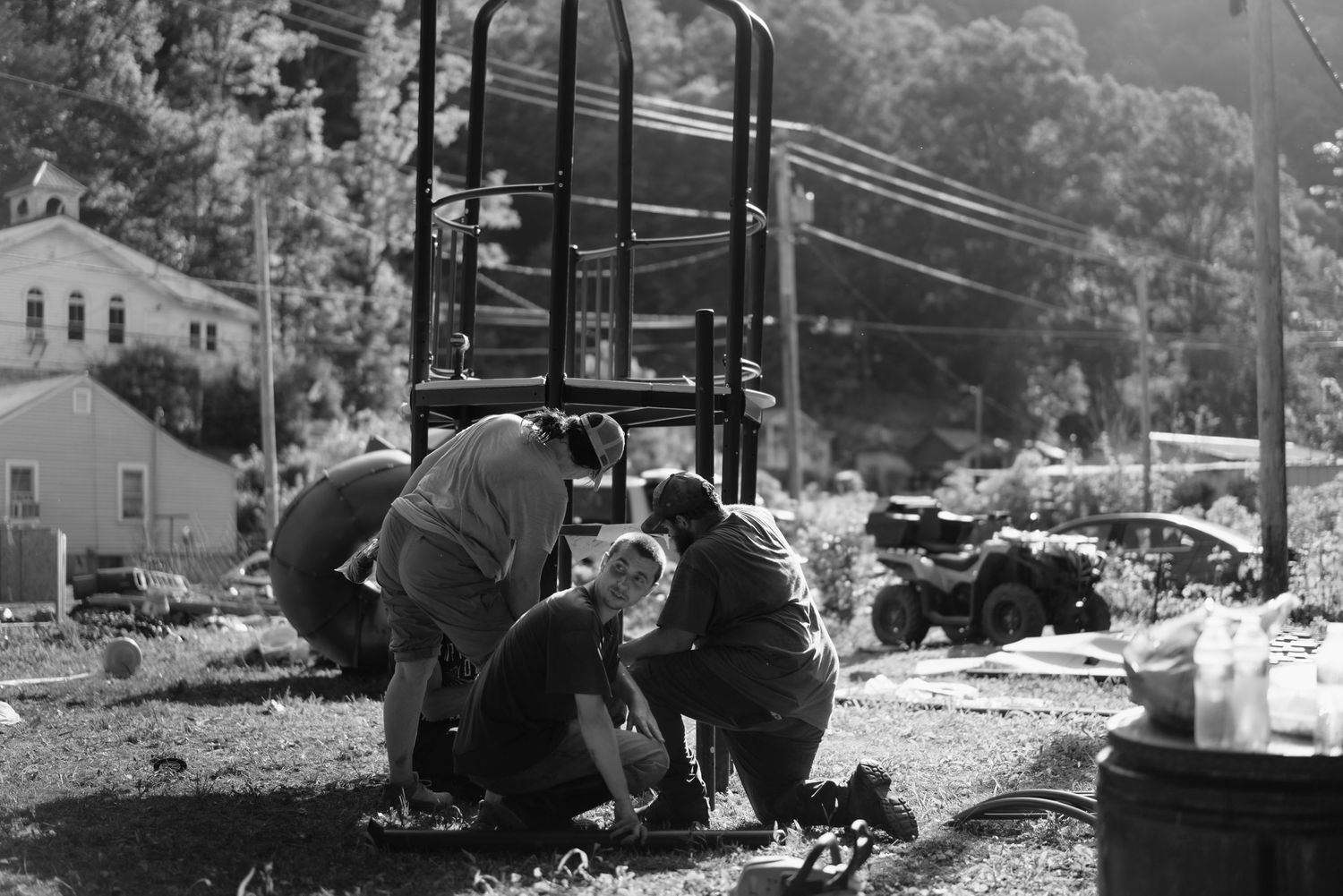
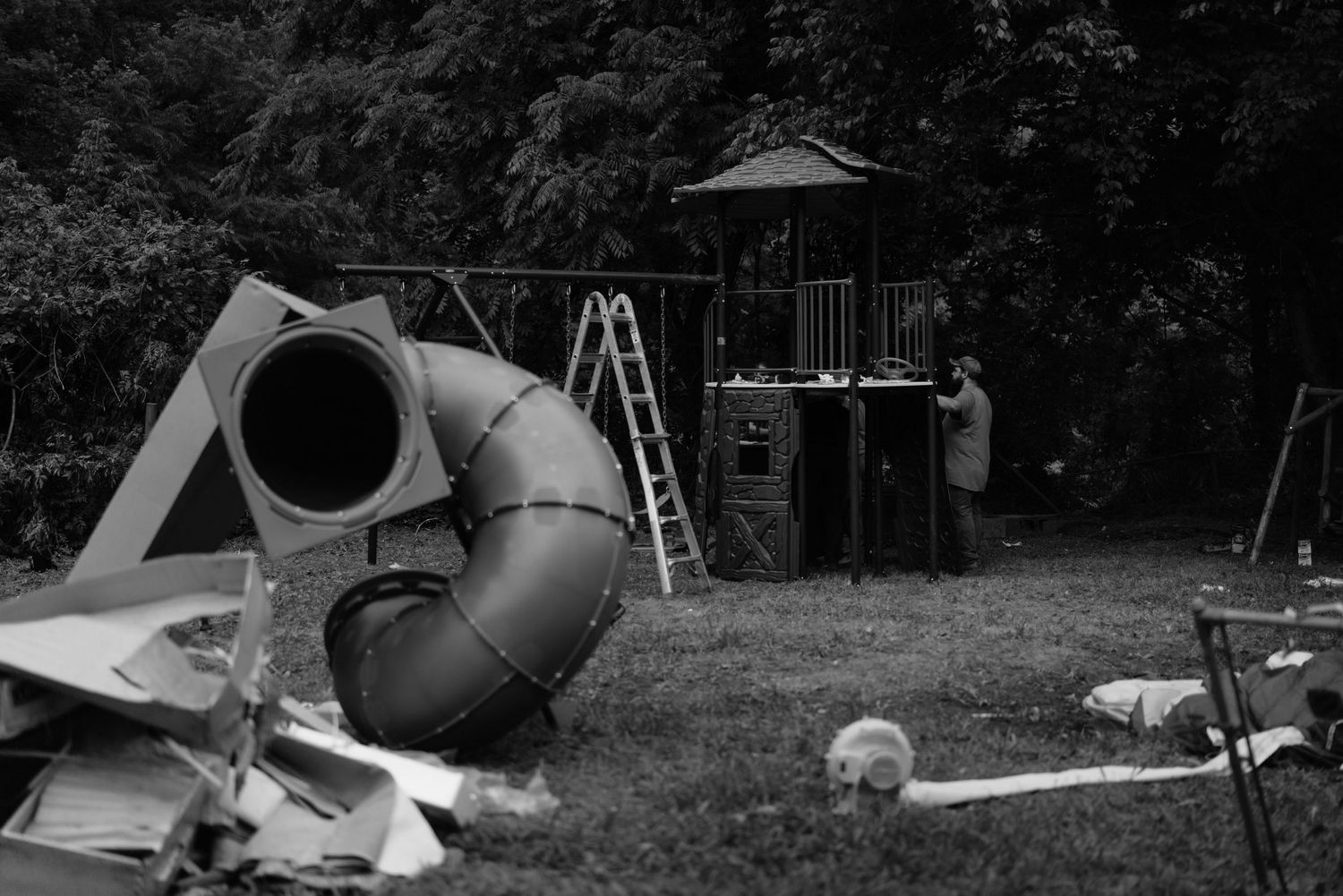
Recently, my husband and I, along with two others, returned to McDowell to help a family rebuild a play set after theirs had been washed away. It wasn’t a large crew or a formal group. It was just the four of us, doing what we could with what we had. The family had lost nearly everything. They were the same age as mine and I can't help but feel connected. That simple structure gave them a piece of their childhood back. Watching them play again, hearing them laugh again, reminded me how even the smallest acts of kindness can carry so much weight.
Through this work, I’ve had the chance to truly get to know these families. I’ve listened to their stories, seen their strength, and shared moments of both sadness and hope with them. There is so much love in my heart for the people I’ve met here. They have welcomed me in with open arms, shared their memories with honesty, and even told me stories about my own relatives. These moments have reminded me of the deep roots my family has in this place. They have allowed me to walk beside them as they move forward after the flood, and that is a gift I do not take lightly.
We live in a digital world now, where it’s easy to keep scrolling and never really stop to feel what someone else is going through. I believe our country has started to lose touch with what real empathy looks like. But when you are standing in front of someone who has lost everything, when you hear the emotion in their voice and see the damage with your own eyes, it becomes impossible to look away. It becomes clear how easily this could be any of us.
I hope that if I am ever the one facing disaster, someone would come to help me. And I truly believe that the people of McDowell would be the first to show up. They would arrive with their hands ready to work, with compassion in their hearts, and without a moment of hesitation. It is a privilege to give back to people who live that kind of goodness every day.
There are people on the ground continuing the work every single day. The Refuge Church in Raysal has been a beacon of hope, serving the southern end of the county and helping anyone in need along the Dryfork River. Sandy with God’s Grace Ministries in Welch shows up day after day with supplies, prayers, and support for those still recovering. The McKinneys at Five Loaves Two Fishes Food Bank in Kimball are feeding and caring for the people around them with deep faith and fierce dedication. Just across the county line, Teri Crawford Brown of Blackberry Winter has already helped re-furnish homes affected by Hurricane Helene last fall and is currently working to support families from this most recent flood.
These are not large, well-funded relief agencies. These are local leaders. They are the backbone of this region. They step up like many others when the spotlight fades, and they carry the burden long after others have moved on.
(Organizations linked in text above)
And just as important as these formal efforts are the acts of quiet, everyday compassion that have kept this community going.
People like Roberto Diaz of Latin Appalachia, who alongside countless other local business owners, has been a steady source of hope, not only feeding those in need but also helping with rebuilding efforts, offering his time and resources, listening to the stories of those who are hurting, and treating each person with dignity. His care reflects what so many others in this region have done without ever asking for recognition.
There are neighbors helping neighbors rebuild homes by hand. Families sharing food when they barely have enough for themselves. Small acts of kindness that, together, are holding this community together. These are the unsung heroes. They are business owners, volunteers, grandparents, pastors, friends. They are the ones who keep showing up. The ones who know that recovery doesn’t happen all at once, and that healing often begins with being seen, heard, and helped even in the smallest of ways.
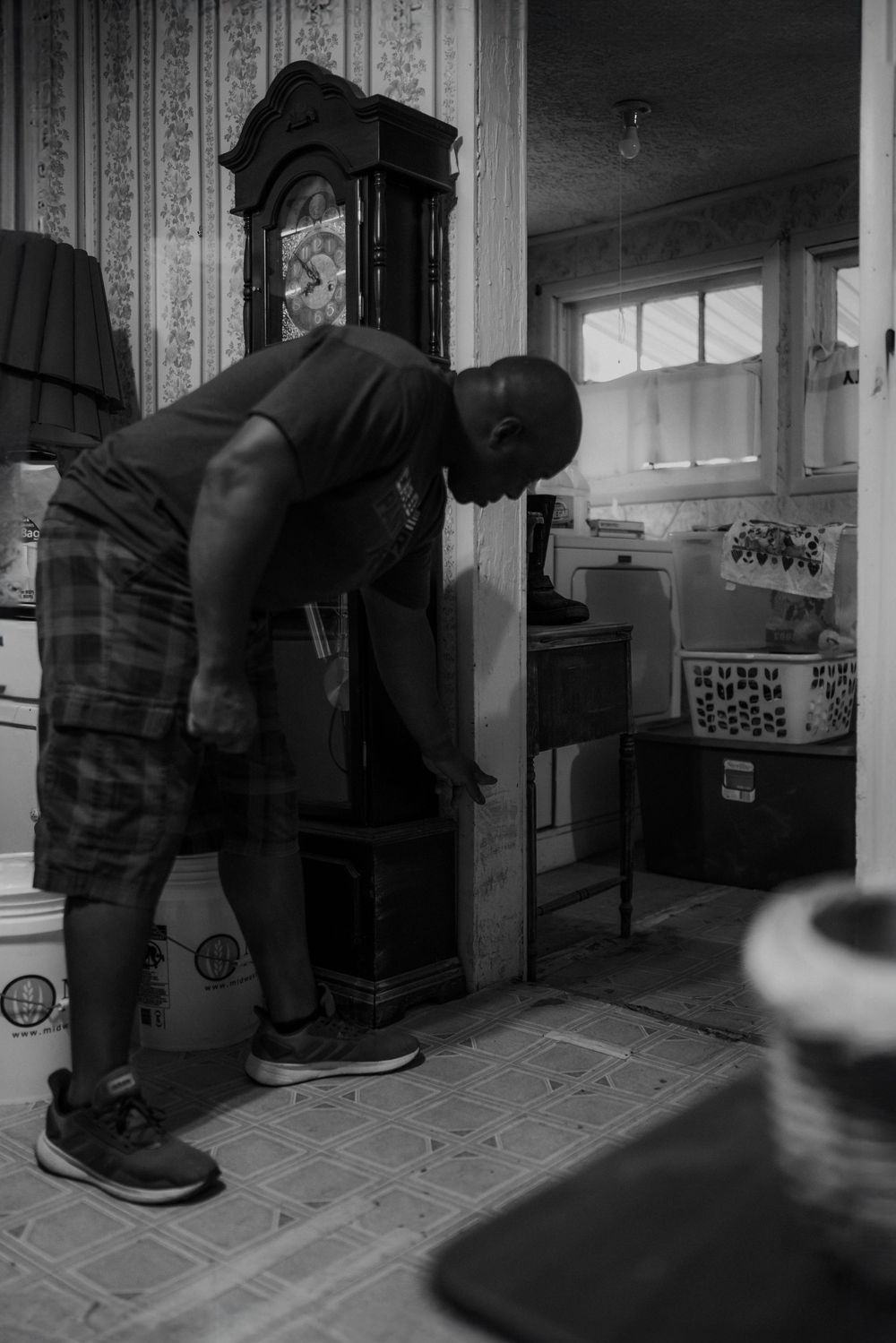
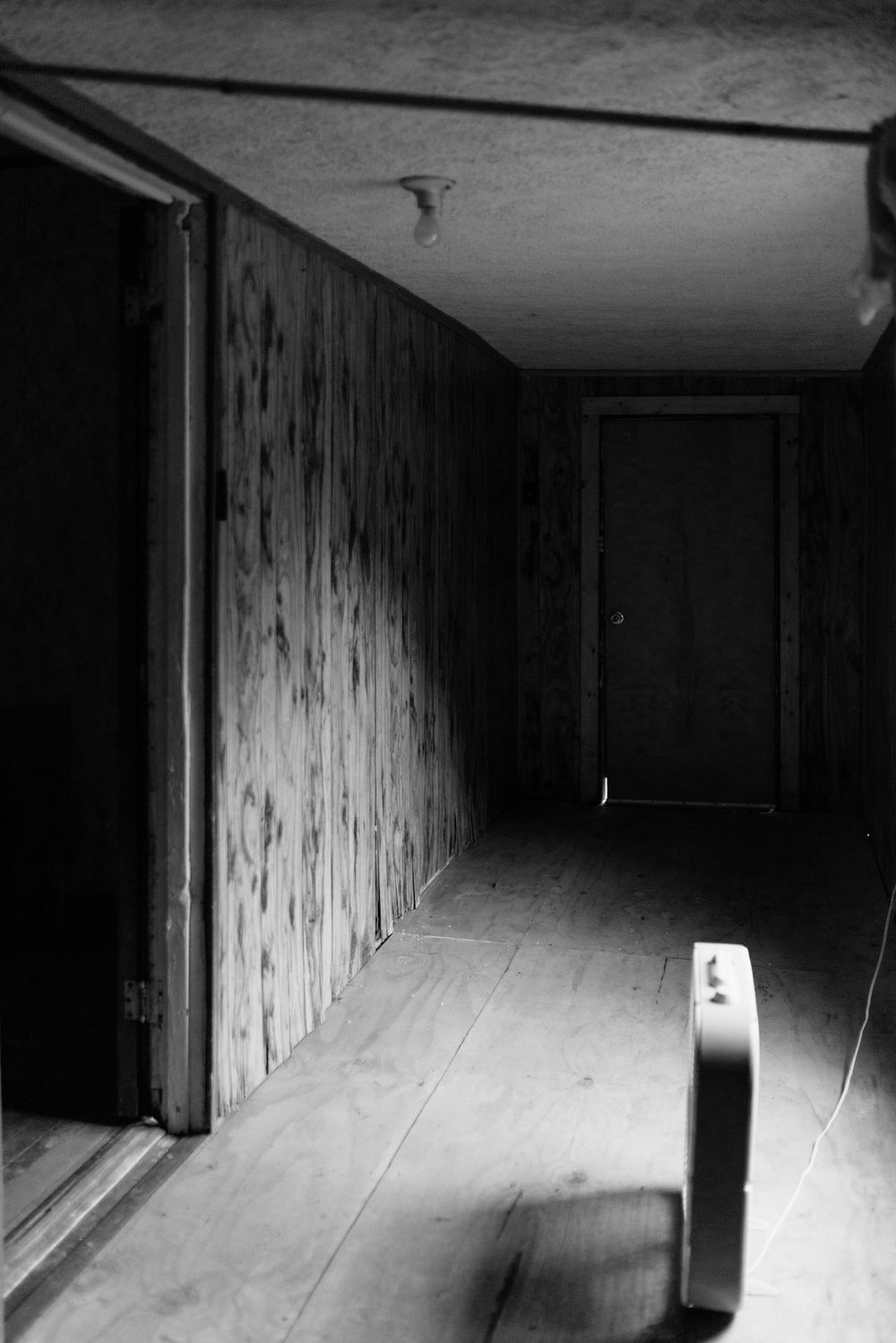
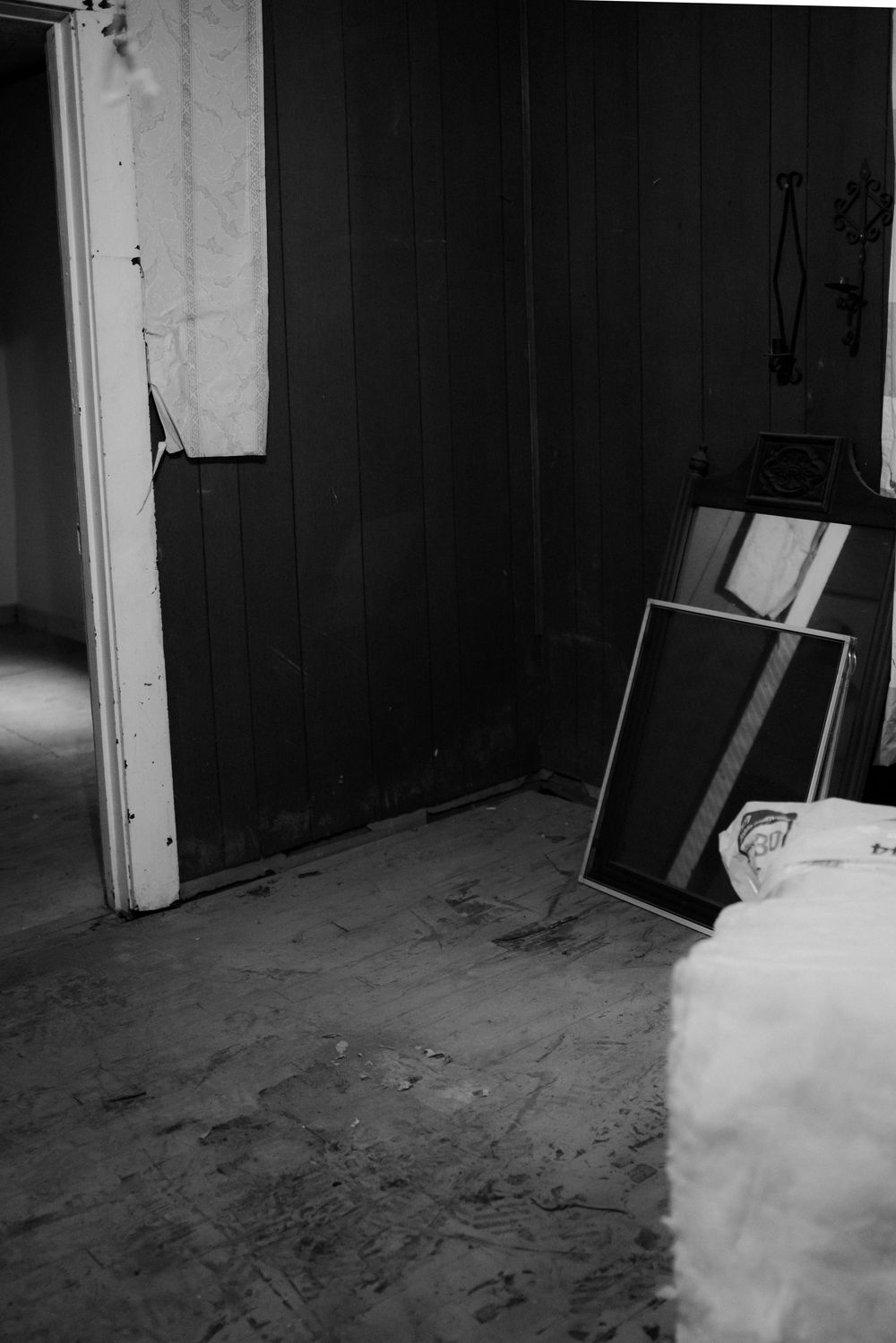
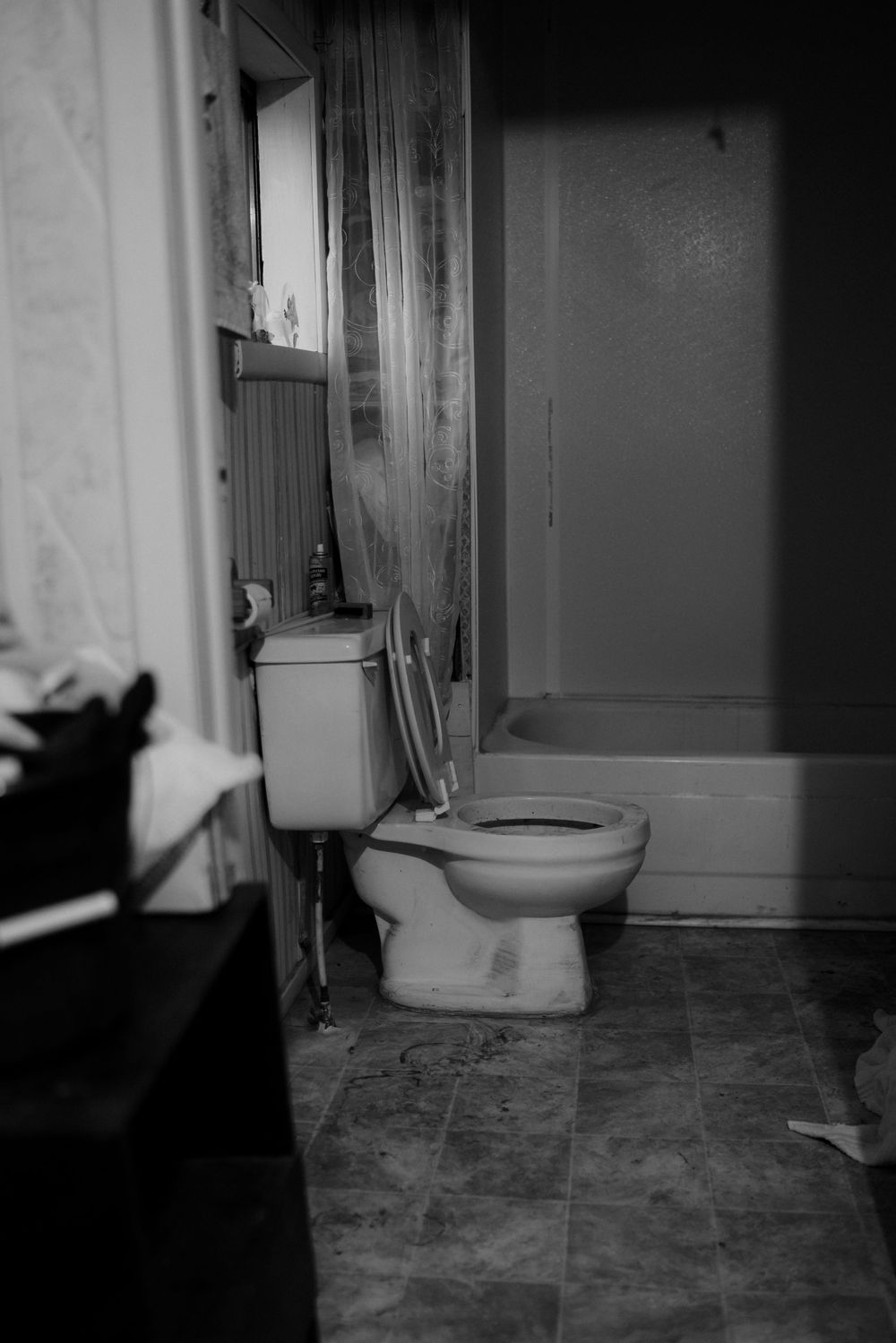
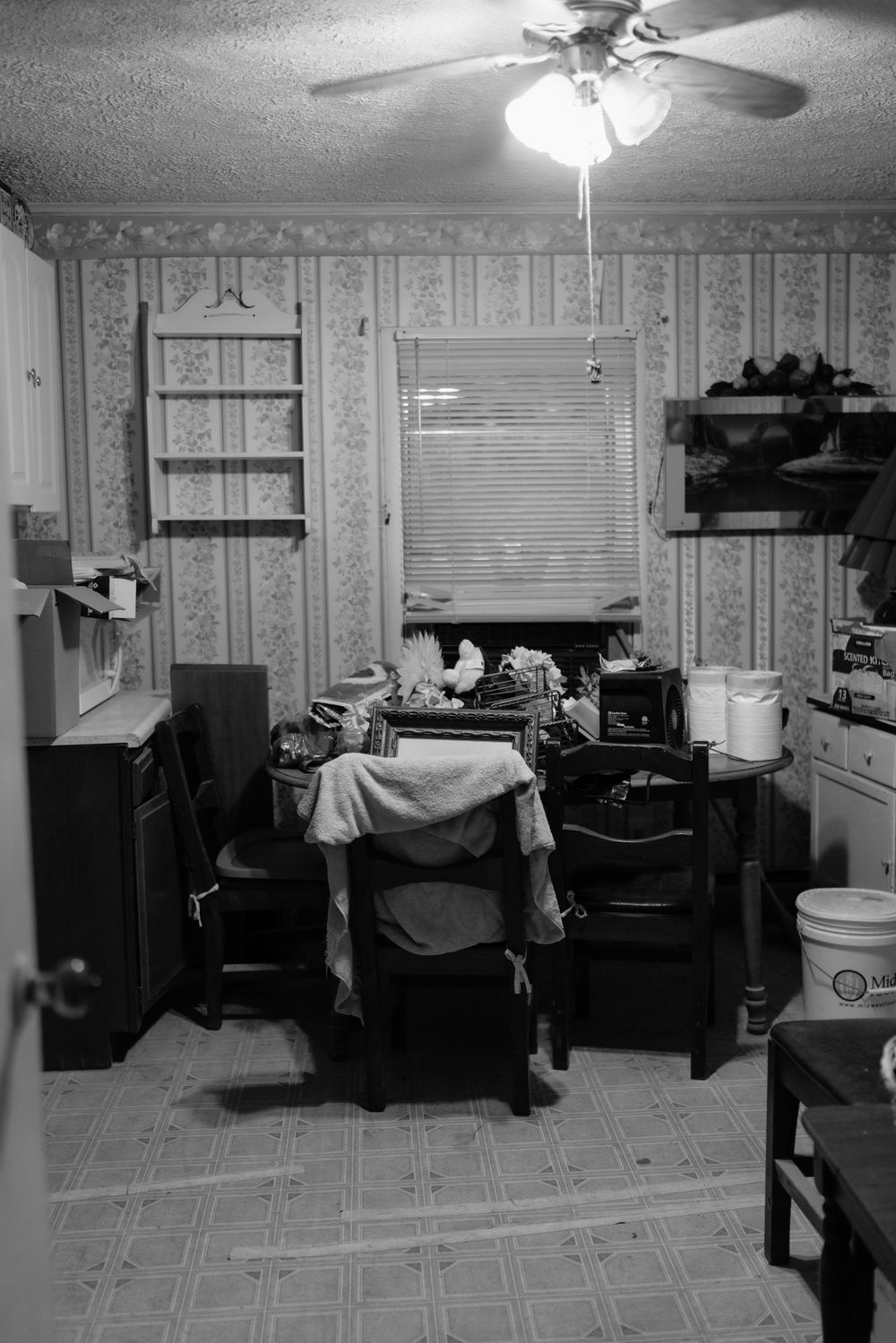
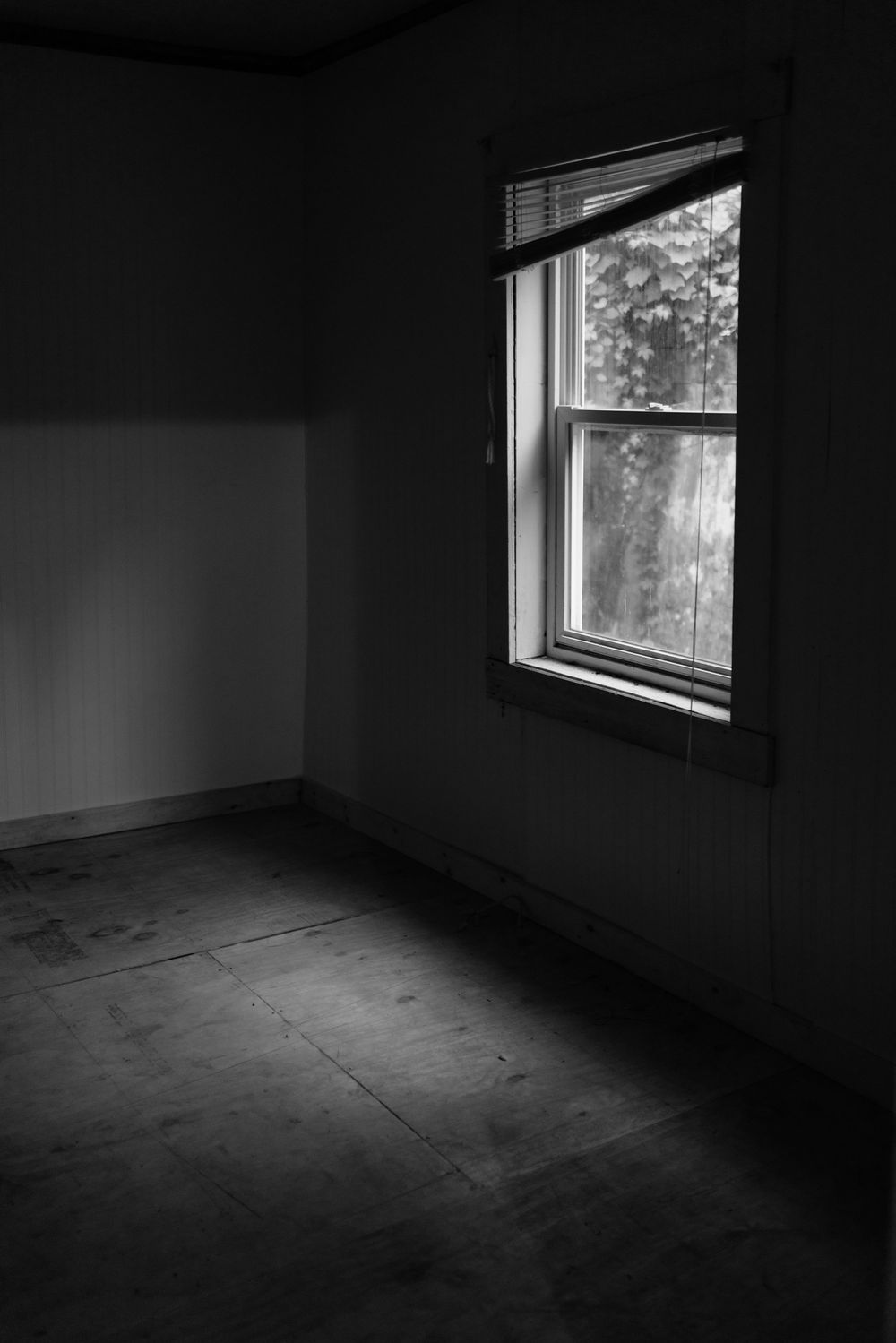
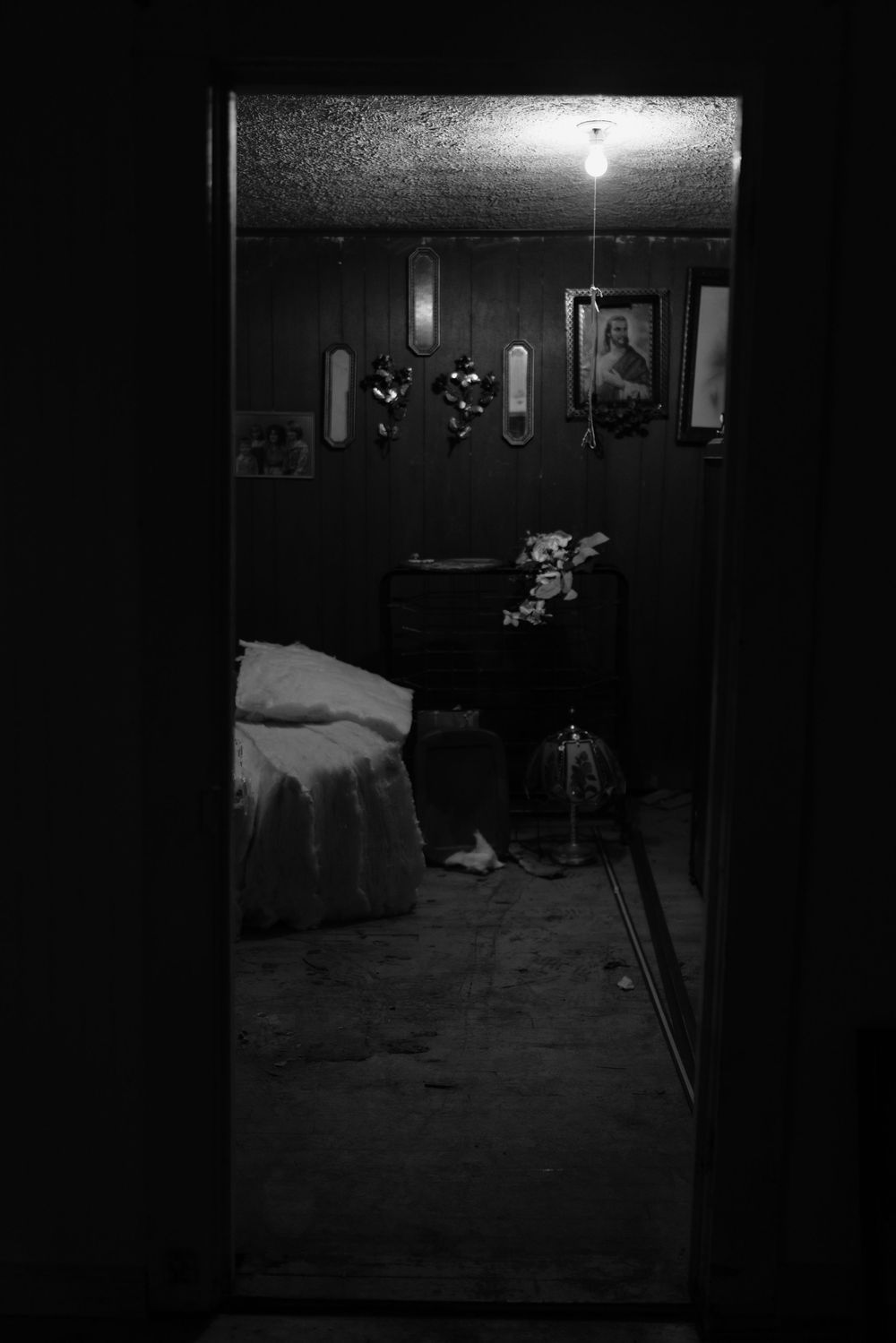
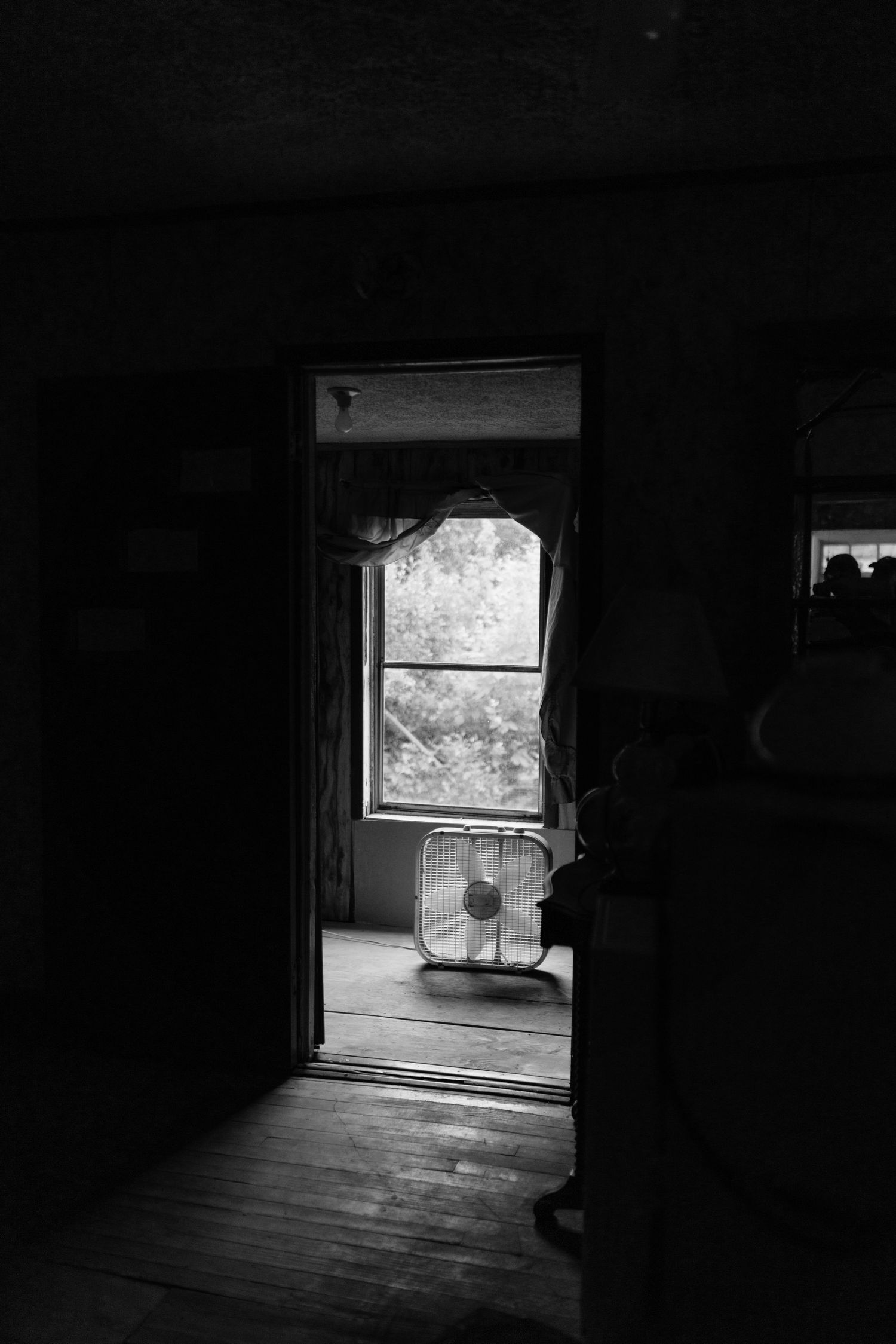
I know people are tired. I know disasters like these can feel overwhelming and unending. But for those still living in temporary housing or still sleeping in homes without proper furniture or plumbing, the flood is not just a memory. It is still their reality.
Please, don’t forget McDowell County.
Your help still matters. Your awareness still matters. And your willingness to share this story makes more of a difference than you may know.
If you’ve supported this region in the past, thank you. If you are just learning about what happened here, I invite you to stay a while. Listen. Care. And stand with us as we keep rebuilding, five months later.